How to Reignite Your Passion for Sewing and Stitching
As an Amazon Associate I earn from qualifying purchases
Have you ever experienced a sewing slump where you just lose your sewing mojo. I certainly have at various times in my life. Sometimes it is when you are too busy with the rest of your life and it can happen after a demanding project or a busy spell or months of making the same type of item. Your supplies may still be close at hand, yet starting something new feels harder than it used to.
The best way back is usually a small change that makes stitching feel interesting again. Give yourself room to play, learn and connect without expecting every piece to become a polished finished project.
Break Out of Familiar Routines
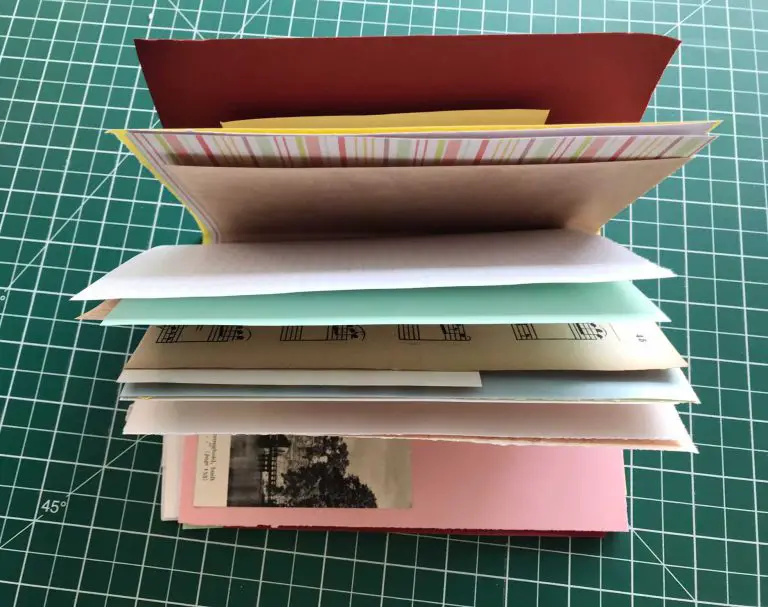
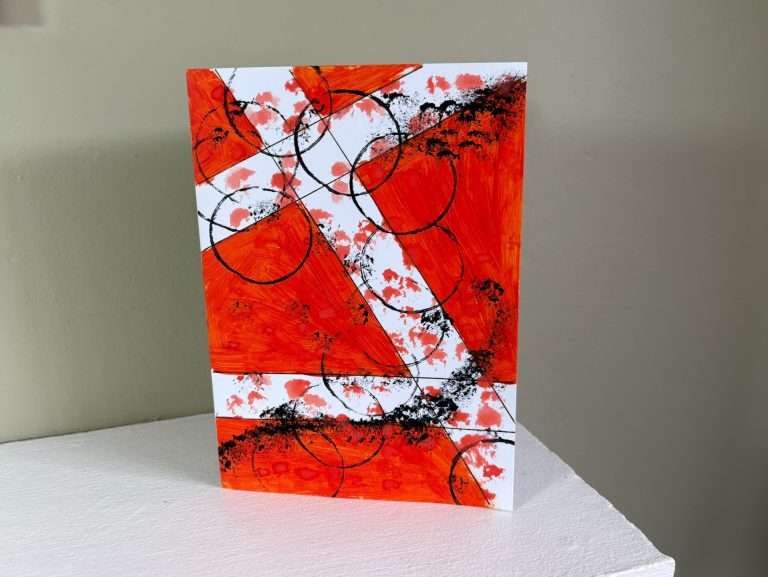
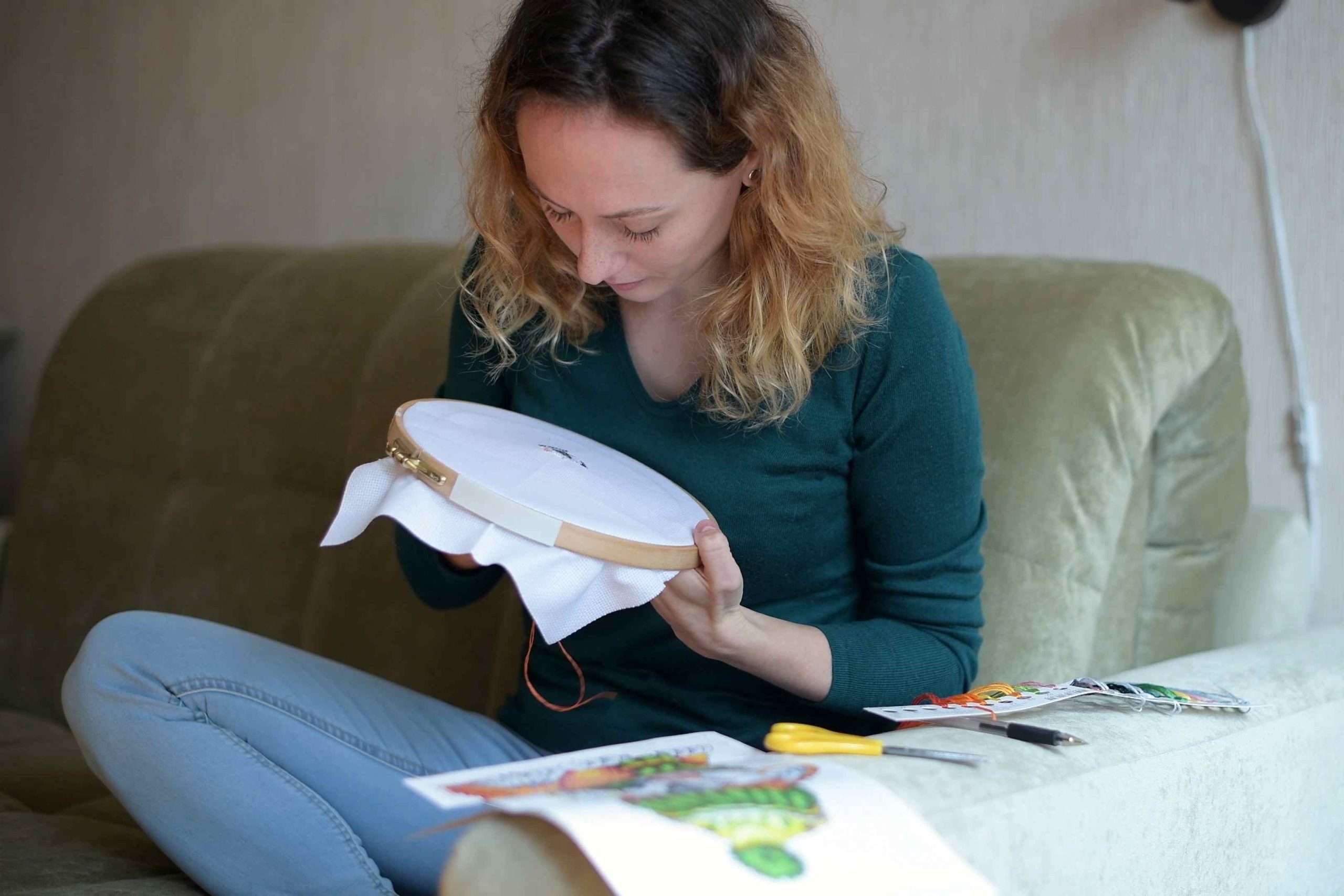
If you are still sewing but are not enjoying it you can change one part of your usual sewing routine. If you normally make clothes, try a fabric card, a small pouch or an easy decorative brooch. Hand stitchers could swap a detailed pattern for a free-form sampler that can be completed in short sessions. Or, how about starting a slow stitching book which is all about the process of sewing and not the finished result.
Keep the first project manageable, especially if you have not been sewing for a while . A 20-minute task creates an easy starting point and gives you the satisfaction of visible progress. This sewing restart guide also recommends returning with a simple project and accepting that your skills may feel rusty at first.
Learning one fresh stitch can make familiar scraps seem full of possibilities. This beginner-friendly guide to the chain stitch for slow stitching offers a clear place to begin.
Learn from Seasoned Instructors
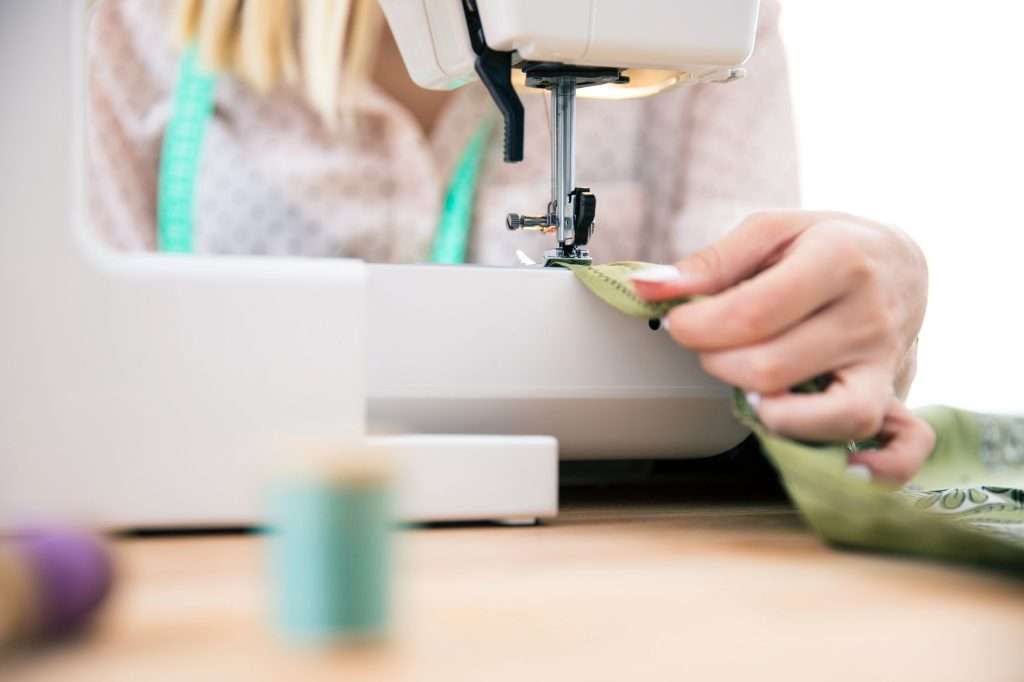
Sometimes there is no substitute for a real in-person class or workshop. A good instructor can spot small changes that improve your results, such as adjusting your hand position, choosing a more suitable needle or pressing a seam at the right stage. Workshops also provide a set time to create, which helps when home sewing keeps slipping down your list.
Choose a class that teaches one defined skill or a series of classes that build your skills. Visible mending, appliqué, garment fitting and embroidery are focused enough to practice again afterward. Events such as The Stitch Festival bring together textile workshops, demonstrations, talks and a community of makers, giving you several ways to discover a technique that catches your attention.
Take brief notes during any session and photograph samples with permission. When you return home, repeat one exercise within a week so the method stays familiar. Hopefully, you will leave your workshop inspired and passionate about your sewing again.

Experiment with Unfamiliar Textures
Be honest, do you always reach for the same type of projects using the same materials? If so, that could be a large part of the problem.
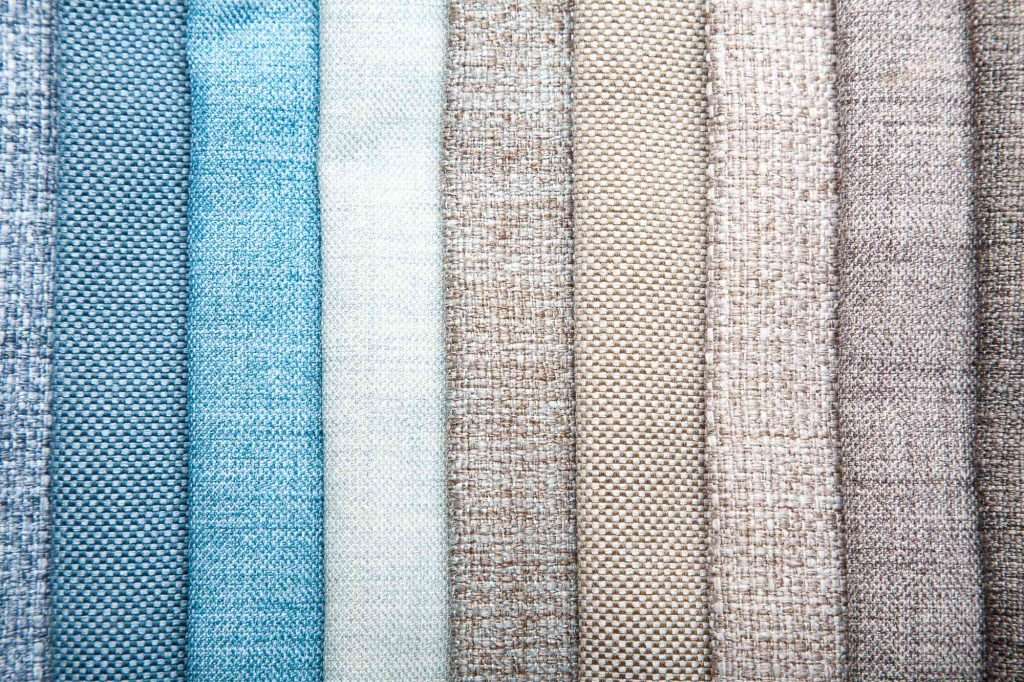
A different texture changes how you handle fabric and can prompt ideas that wouldn’t appear when using your standard materials. Try combining smooth cotton with linen, felt, denim or a small piece of velvet. Start with scraps so there’s no pressure to use every inch perfectly. All sewists have fabric scraps large and small.
Test each combination before committing to a larger piece. Stitch a four-inch sample, then check how it folds, presses and responds to hand or machine stitching. The fabric properties affect drape, strength and the type of needle that works well, so a sample can prevent puckering or damaged thread. A slow stitching book like I mentioned earlier is a great way to experiment.
Keep these experiments in a ring-bound sample book if you are doing samples. Add the stitch length, needle size and thread type beside each swatch, creating a useful reference for future projects. You will love looking back at this later.
Credit: Photo by depositphotos.com
Share Your Progress with Others
Creative energy often grows when someone else understands why a neat line of stitches feels satisfying. Share one progress photo with a crafting friend, attend a local sewing group or join an online community that welcomes work in progress. If you can join a local group I thoroughly recommend it. I am part of a local crafting group and it is so much fun and so inspiring. You don’t need to wait until the item is finished.
Ask for focused feedback. “Does this thread color stand out enough?” is easier to answer than a broad request for opinions. You can also arrange a monthly making session where everyone brings their own project and works for an hour. The chat and support will be amazing as in my experience crafters are warm welcoming people.
Set a small, specific goal, such as completing one sample square before the next meetup. A clear target gives your sewing time a purpose while leaving space for experimentation and mistakes.
If you journal you can make small fabric pieces and glue them into your journal using fabric glue. Perhaps sew a small design to reflect your mood or activities that day.
Choose a fabric scrap that you’ve been saving and give it a simple job today. Add a row of chain stitches, test two contrasting threads or turn it into a tiny patch. That small sample may become the idea that brings you eagerly back to your sewing basket tomorrow.
A few projects to get you started
Here are a few projects right here on this website which may just help you reignite your passion for sewing. They are small projects that anyone can tackle without loads of time or expense:
- Boxed Bottom Bucket Bag
- Beanie Hat Flower Design
- DIY Beanbag Frog
- Fabric Coasters
- Fabric Covered Notebooks
Whatever you decide to sew, let us know in the comments below how you get on and what you make.