Build Better: Essential Tips for Sturdy Craft Projects
As an Amazon Associate I earn from qualifying purchases
There’s nothing quite like the pride of finishing a handmade project. You’ve poured your time, creativity, and effort into making something unique. But there’s also a unique disappointment when that beautiful creation starts to wobble, sag, or fall apart.
You know that feeling when you cut corners and didn’t quite do it properly or you used the wrong equipment or supplies. Well, let’s stop doing that! I know we use a lot of paper and fabric scraps in our projects but we can still use the right ones for each project.
Building things that last is a skill, and it all comes down to using the right materials and techniques from the very beginning. This guide will walk you through the essentials for making your craft projects sturdy and durable.
Why Foundations Matter in Crafting
When we think of foundations, we usually picture concrete slabs for houses. For our crafting projects, it’s pretty much the same idea. A strong foundation is what makes your project stable. For a small wooden box, that means a perfectly square base. For a quilt, it’s the backing fabric and batting that give it structure. For any crocheting or knitting project it is quality yarn and good stitches with the correct tension.
If you ignore the foundation, you’ll run into problems later. A picture frame with poorly joined corners will eventually sag, and a small bookshelf built without proper support will start to lean. Taking a little extra time at the beginning to plan your project’s structure and make sure those initial pieces are solid and square will save you a lot of frustration. A good build always starts with a solid plan.
Be honest, how many times have you checked your tension in a crochet project? Yet, we know how important it is!
Selecting Materials for Lasting Builds
The materials you pick are like the building blocks for your project’s future. Using flimsy plywood for a step stool is just asking for trouble, and using thin, cheap fabric for a tote bag means it won’t hold up to daily use. Consider what you are using your project for and plan accordingly.
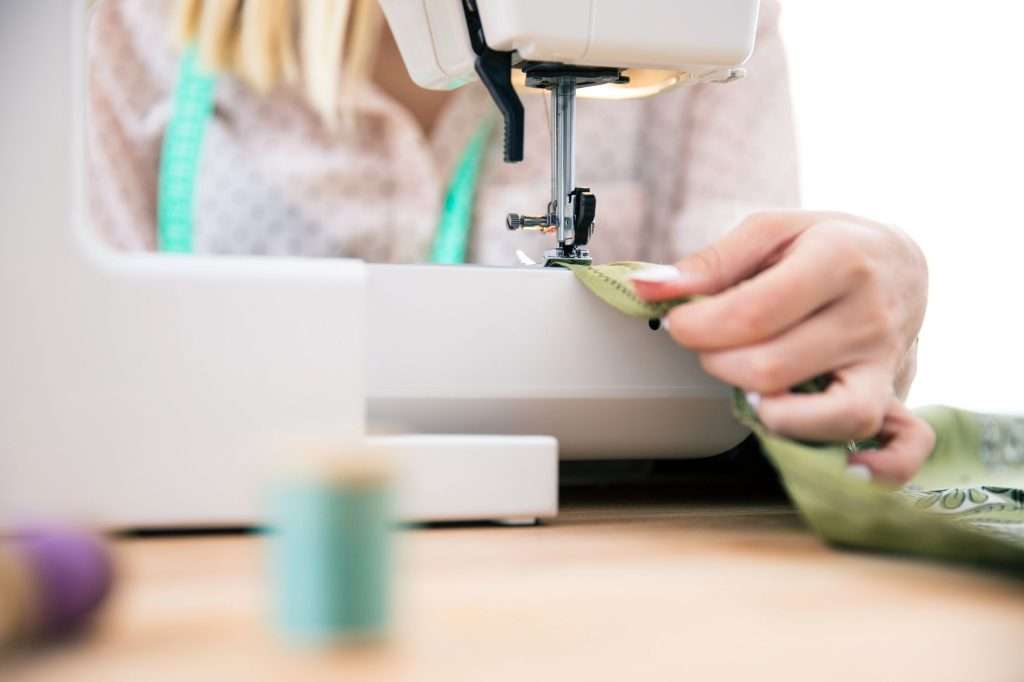
Quality really does matter here. When you’re working with wood, pay attention to the type of wood, its thickness, and the direction of the grain. For fabric projects, think about the weave and weight of the material. and of course, your thread. The best fabric in the world won’t save you if your thread is weak.
If you are working on a substantial construction in wood or indeed any other material then before you even start cutting, it’s a good idea to do a little research. Understanding the properties of different sturdy structure materials can give you a better sense of what will work best for your vision. There are many resources out there to help you with selecting ideal building materials for any craft, making sure your creation looks great and lasts for years.
Don’t be afraid to spend a little more on better materials; the final result will definitely be worth it. It can actually work out cheaper to spend a little more sometimes.
The Right Fasteners for Wood Projects
Glue is a fantastic tool for many projects, but it isn’t always enough to create a truly strong and lasting bond, especially for things that will bear weight or get a lot of use. That’s where mechanical fasteners come in. For any project involving wood, from birdhouses to small decorations, knowing your fastener options is super important.
Choosing the right hardware ensures your joints stay tight and secure over time. For many applications, combining glue and screws gives you the best of both worlds: the glue creates a rigid bond, and the screws provide clamping pressure and mechanical strength.
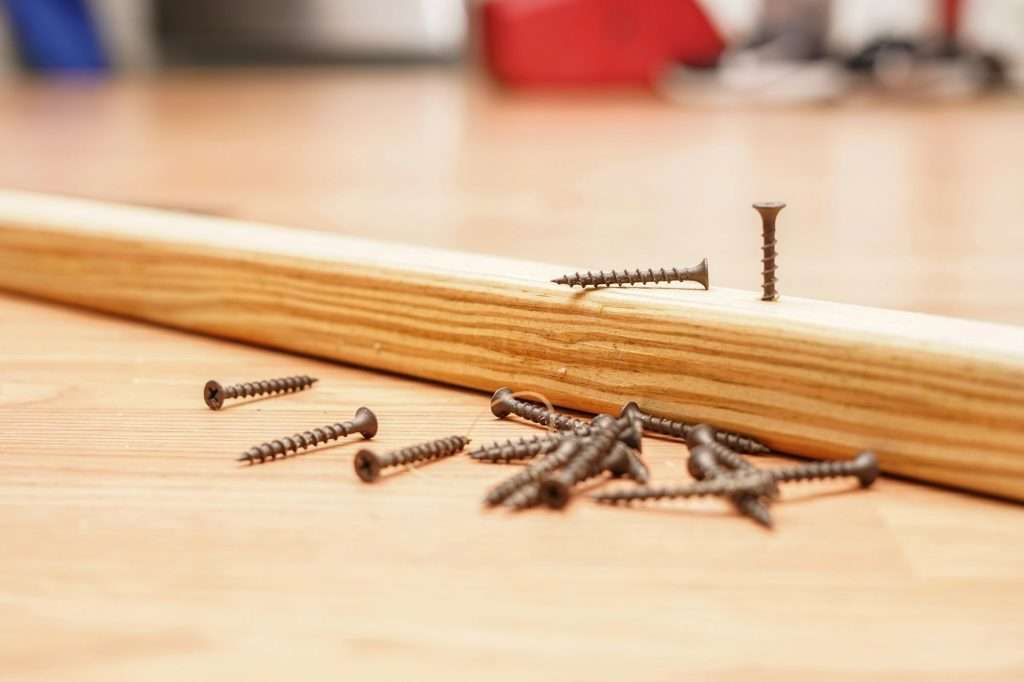
A huge variety of wood screws are available, designed for different types of wood and uses. Using a screw with the correct length and thread type for your specific material will prevent splitting and create a much stronger connection than a nail or staple. Great for projects such as raised garden planters.
Techniques for Secure Assembly
Having the right materials and fasteners is only half the battle; how you put them together matters just as much. Secure assembly techniques are what turn a pile of parts into a solid, functional object.
If you are working with wood, one of the most important and simple techniques is drilling pilot holes. A pilot hole is a small hole you drill before inserting a screw, which prevents the wood from splitting and makes the screw much easier to drive in straight.
Another key technique is using clamps. When you’re gluing pieces together, clamps apply even pressure while the glue dries, resulting in a much stronger bond than you could ever achieve by hand. For small craft projects a heavy book on top of the piece can work as a great clamp.
For more advanced projects, learning basic joinery can really elevate your work. Even a simple, well-executed butt joint reinforced with screws is far stronger than one that is just glued. Taking the time to assemble your project with care will definitely pay off in its sturdiness and appearance.
Maintenance for Handmade Creations
Your job isn’t quite done once the final piece is in place. A little bit of ongoing maintenance can dramatically extend the life of your handmade items. For wooden projects, this might mean applying a fresh coat of oil or wax every year to protect the surface from moisture and drying out. Check the joints and fasteners on items that get a lot of use, like chairs or small tables, and tighten any screws that may have loosened over time.
For fabric crafts like pillows or blankets, following proper washing instructions is crucial. Regular dusting and gentle cleaning will keep your creations looking their best. Think of maintenance as the final step of the crafting process. It’s a simple way to honour the effort you put into making the item and ensure it can be enjoyed for as long as possible.
Building things that last is incredibly rewarding. By focusing on a solid foundation, choosing quality materials, and using the right techniques, you can create beautiful handmade pieces that are as strong as they are special.
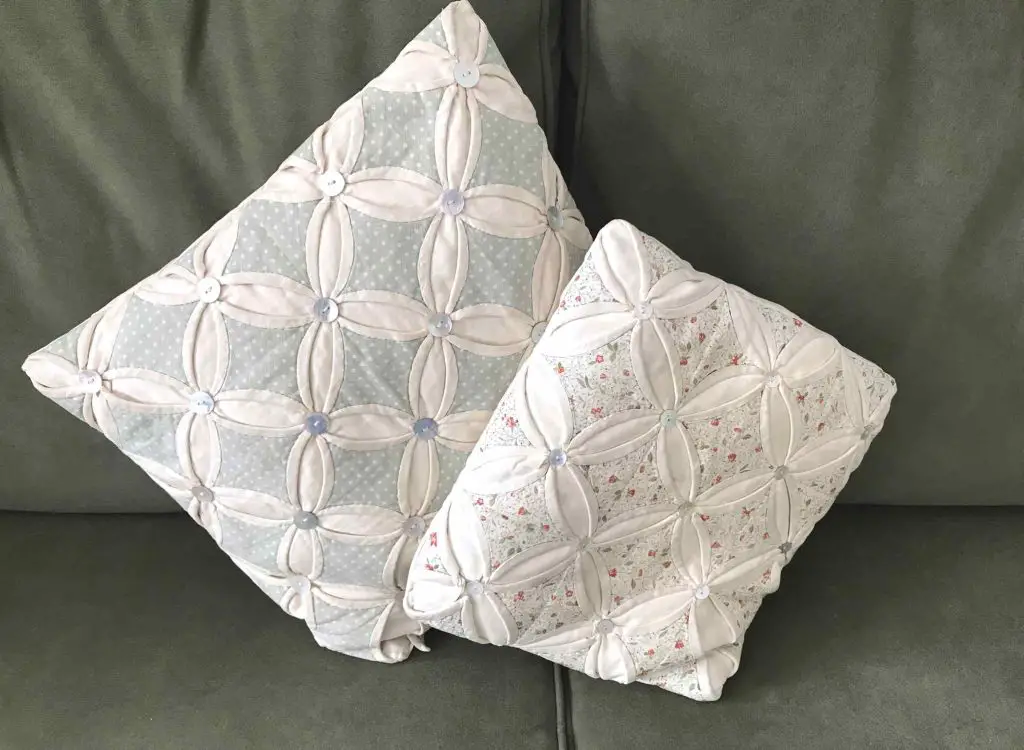
Project Ideas
If you are looking for some projects to get you going on your adventure why not try some of these:
- DIY Chair Planter for the garden
- Fabric Pinboard for a home office or busy home
- Granny Square bag to crochet
- Sew a lined drawstring bag
Or indeed try any of the projects on this website. Have a look around.