Quick Tips to Keep Paint by Numbers Canvases Clean During Painting
As an Amazon Associate I earn from qualifying purchases
A clean canvas helps every paint-by-number project look sharper and more professional. Dust, smudges, or messy color edges can distract from the final image and make the process less enjoyable. Keeping the canvas clean during painting helps maintain smooth colors, neat lines, and a polished finish that looks well-crafted. I actually find this hard as I can be a bit messy so that is why I did some research and put this together.
I love the effect I can get with paint by numbers kits so I thought it was worth getting some guidance down here. I wish I had done this sooner!
This guide explains simple ways to protect the surface, control paint flow, and avoid unwanted marks. It shows how small habits—like preparing the canvas, using careful brush control, and cleaning tools—can make a big difference in the final result. Each step supports a cleaner, easier, and more satisfying painting experience. So let’s see what we should be doing.
Apply a layer of clear gesso to the canvas before painting
A thin coat of clear gesso helps paint grip the surface better and keeps colours from sliding or smearing. It seals the fabric, so the paint stays on top instead of soaking into the fibers. This step makes the canvas smoother and easier to work with. Now, if like me you had never worked with gesso before don’t worry it is really easy to use!
Artists (because that is what we are) who use detailed paint by numbers kits for adult often notice that gesso gives them more control over small sections. It also keeps the printed lines visible while still creating a slightly textured surface that holds paint evenly.
After applying gesso, the surface should dry fully before you apply any paint. A light sanding between coats can remove rough spots, if there are any, and create a clean, even feel. This simple preparation step helps the artwork look neater and last longer without unwanted smudges or blotches.
Use a fine-edged brush
A fine-edged brush gives better control over tight spaces on a paint by numbers canvas. So use one for small sections to avoid overlapping colours. It helps you to stay within the lines and keep each colour in its proper area.
You should load only a small amount of paint on the brush tip. Too much paint can spread beyond the numbered area and cover nearby sections. A light touch allows smooth coverage while keeping edges sharp. This sounds easier than it is but with practice you will get better.
It helps to work slowly and focus on one section at a time. For example, painting all areas of the same colour before moving on reduces mistakes. Cleaning the brush between colours and letting colours dry also keeps shades from mixing and dulling the final image.
A steady hand and patience lead to clean, defined results. A fine-edged brush really does make all the difference especially if, like me, you can be a little heavy handed with the paint sometimes.
Load only a small amount of paint on the brush tip
This sounds obvious but it is really easy once you are painting to get carried away and in your rush to make progress you can overload your brush. Dipping only the tip of the brush, about one-third of the bristle length, gives better control and prevents messy edges. Too much paint often leads to drips and uneven lines that can spread into nearby sections. I have done this on more than one occasion and learnt this lesson.
After dipping the brush, letting the extra paint drip off for a few seconds helps prevent blobs. Lightly tapping both sides of the brush against the inner wall of the paint container also removes the excess. This simple step keeps the paint layer thin and even.
A lightly loaded brush moves smoothly across the numbered areas. It fills each space without flooding the lines or covering numbers that still need attention. As a result, the design stays sharp and the colours clean.
Paint lighter colours first to reduce accidental mixing
Starting with lighter colours helps prevent darker shades from spreading into clean areas. Light tones often require more layers to look even, so applying them first keeps their brightness intact. You also need to cover the numbers so may need layers of paint to achieve that. It also makes it easier to correct small mistakes before darker paint covers the space.
This order allows you to work more carefully around detailed sections later. As a result, the canvas stays neater, and colour boundaries remain clear.
This method also reduces wasted paint. Since lighter areas stay clean, there is less need to repaint sections or fix unwanted blends. The final image appears sharper, and the numbered areas remain easy to follow throughout the project.
Clean brushes thoroughly with water and dry them flat
Clean brushes thoroughly with water and dry them flat between colour changes to prevent contamination. You should rinse brushes in clean water after each colour to stop leftover paint from mixing into the next shade. Clear water helps remove pigment before it dries on the bristles.
It helps to swirl the brush in a water cup and gently press it against the side to release paint from the base of the bristles. A soft wipe on a paper towel or lint-free cloth removes extra moisture before switching to a new colour.
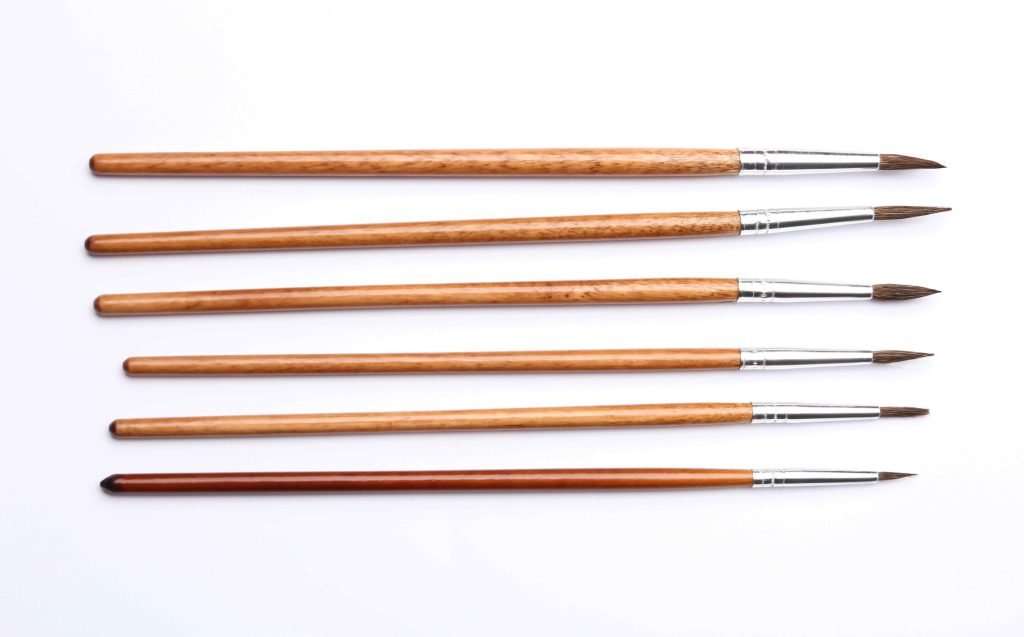
Laying brushes flat on a clean surface allows them to dry evenly. This position prevents water from seeping into the ferrule, which could loosen glue or warp the handle. Proper drying also keeps bristles in shape and ready for smooth strokes. Basically this keeps your brushes in good condition so that you can paint with them for years.
Regular cleaning and flat drying extend brush life and reduce the chance of muddy colours during paint-by-number projects.
Conclusion
Clean tools and careful habits help you keep your paint by numbers canvases neat. A soft touch with the brush and small amounts of paint prevent smudges and uneven lines.
Consistent brush care, organized workspace, and patience lead to sharper details and smoother colour transitions. As a result, the finished piece looks tidy and well-balanced. After all that work you want to look at your art on the wall and be proud of it. Enjoy it everyday!
If you enjoy painting check out this easy way to make your own geometric art on canvas.