5 Crafty Garden Markers You Can Make for Your Veg Beds
As an Amazon Associate I earn from qualifying purchases
Okay, we have all been there – that moment when the seedlings come up but you have no real idea what you planted just there! You really must mark what you plant where but how do you make that more fun – perhaps even involve the kids. Embrace homemade garden markers.
Homemade garden markers are one of those small touches that make a big difference, both practically and aesthetically. They remind you what you’ve planted where, save you from that familiar moment of panic when you can’t tell your carrots from your parsnips, and they give your beds a bit of personality.
If you’re already thinking ahead about what summer veg to grow this year, pairing your planting plans with some handmade markers makes the whole thing feel more intentional and, frankly, more fun.
Here are five ideas to get you started.
1. Painted Wooden Spoons
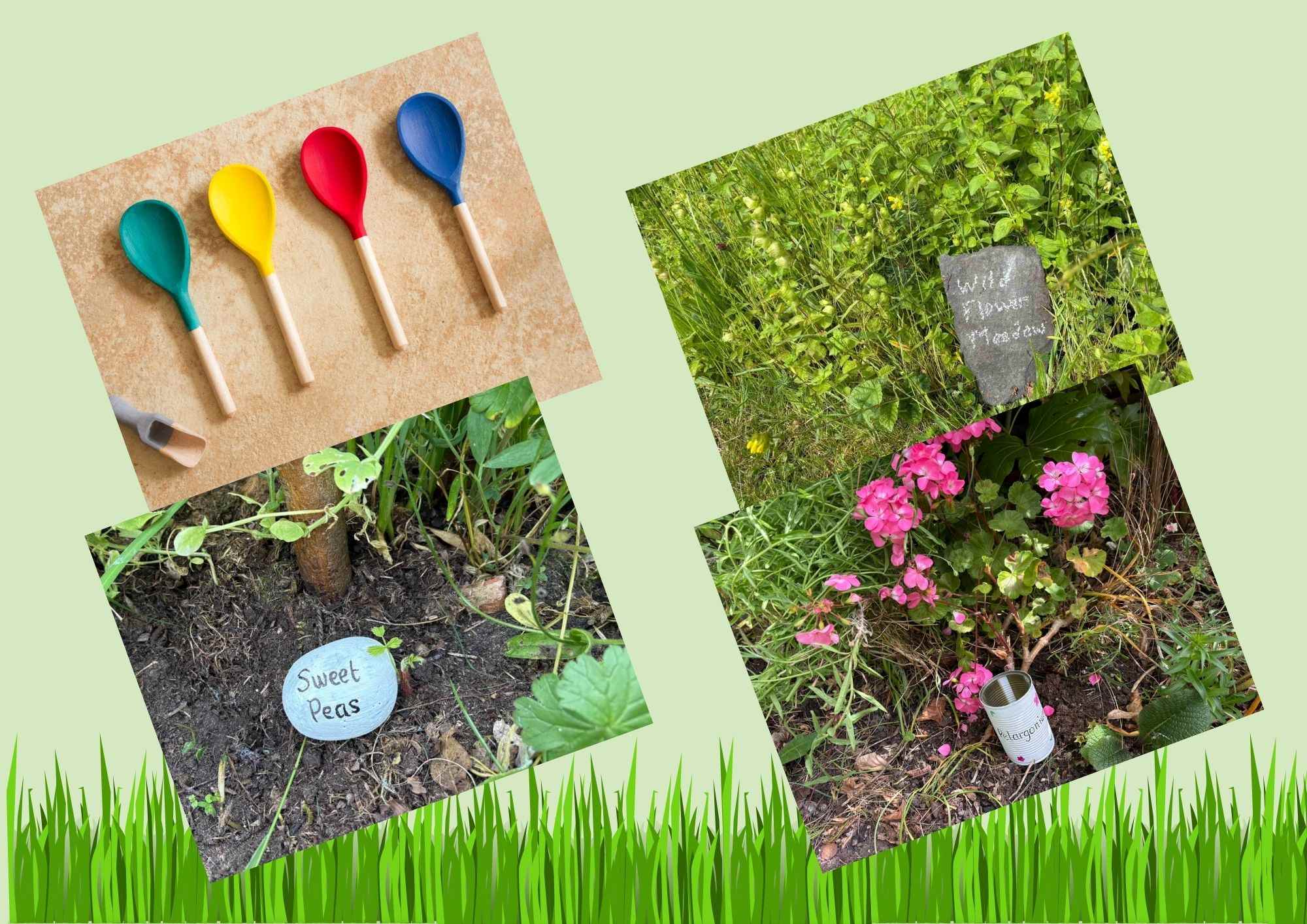
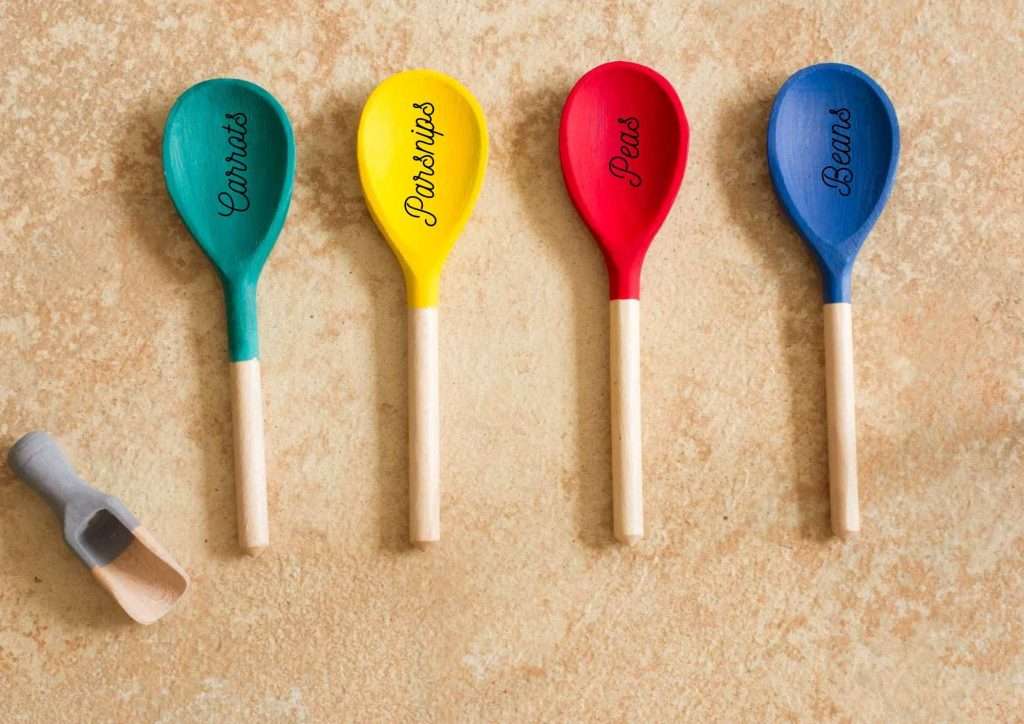
You’ve probably got a spare wooden spoon rattling around somewhere. These make brilliant garden markers; they’re cheap, widely available, and they hold up reasonably well outdoors if you treat them. Give the surface a light sand first so the paint sticks properly, then go to town decorating them however you like.
Bold colours work well, as does a simple wipe of white paint if you want something clean and easy to read. Write the plant name on the flat bowl end with a paint pen or permanent marker. A thin coat of clear varnish over the top helps protect everything from the rain. Spoons are especially handy for containers or smaller beds, since they slide easily into the soil without disturbing anything underneath.
You could also use flat wooden spatulas in the same way.
2. Painted Rocks
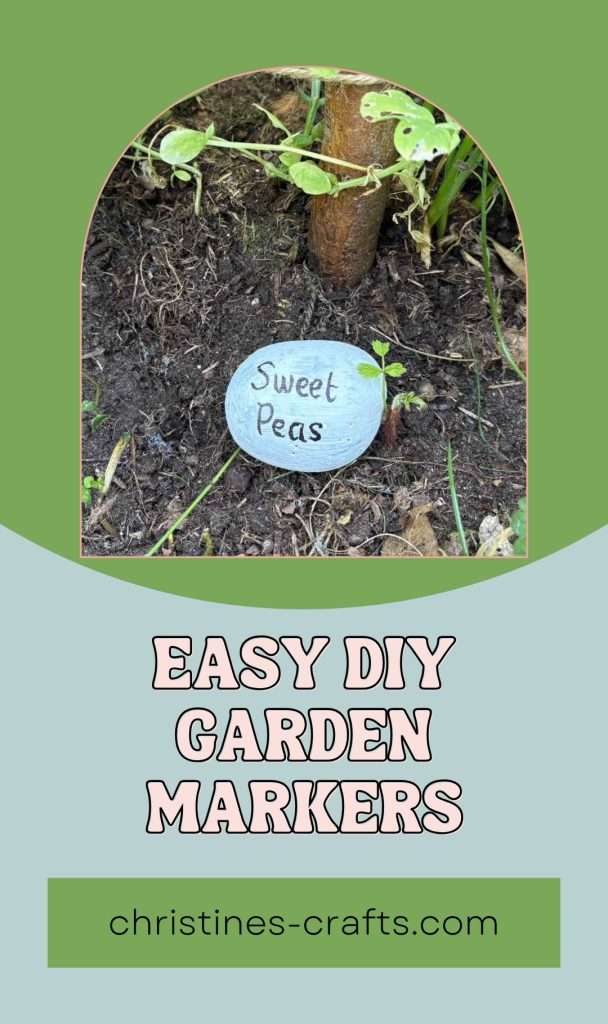
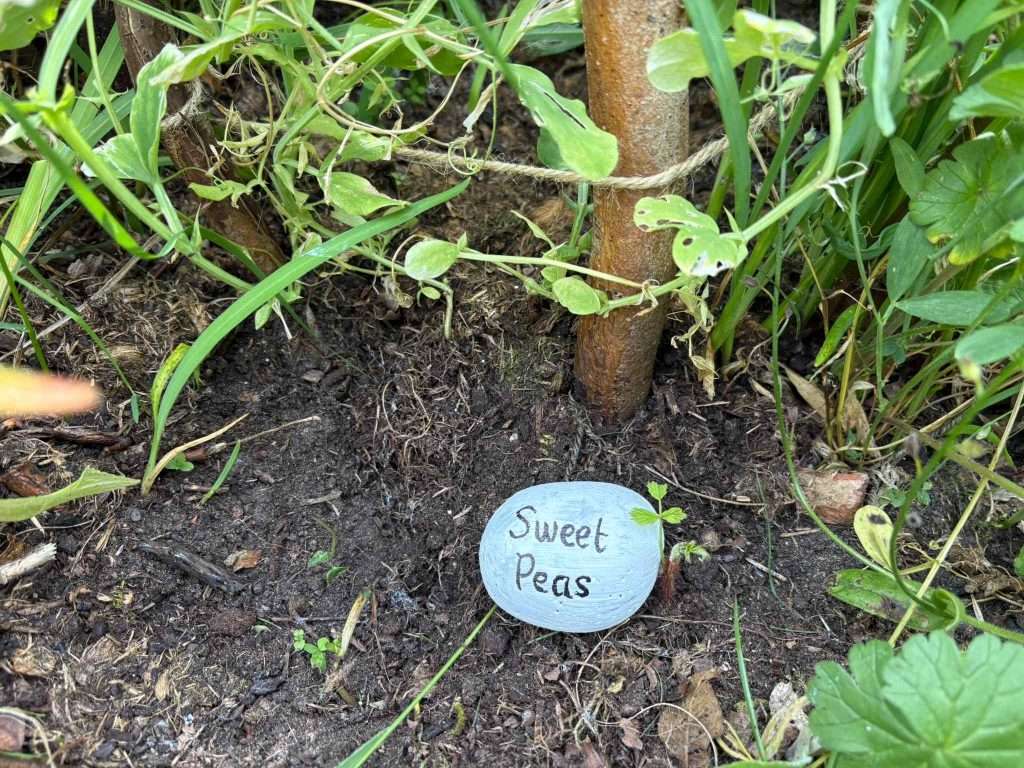
There’s something satisfying about picking up a smooth, flat stone and turning it into something useful. Painted rocks make wonderfully sturdy markers, they won’t blow away, they won’t rot, and once they’re sealed properly they’ll last for years.
You could even get really creative and paint some using acrylic paint pouring like these here.
Wash your stones first, then use acrylic paint and a fine brush or paint pen to write on the plant names. Get creative with little illustrations if you’re that way inclined, a tiny tomato next to the word “tomatoes” never hurts.
Finish with a clear waterproof sealant and you’re done.
Children tend to love this one, and it’s a good way to get them engaged with the garden without them getting too bored.
3. Repurposed Tin Cans
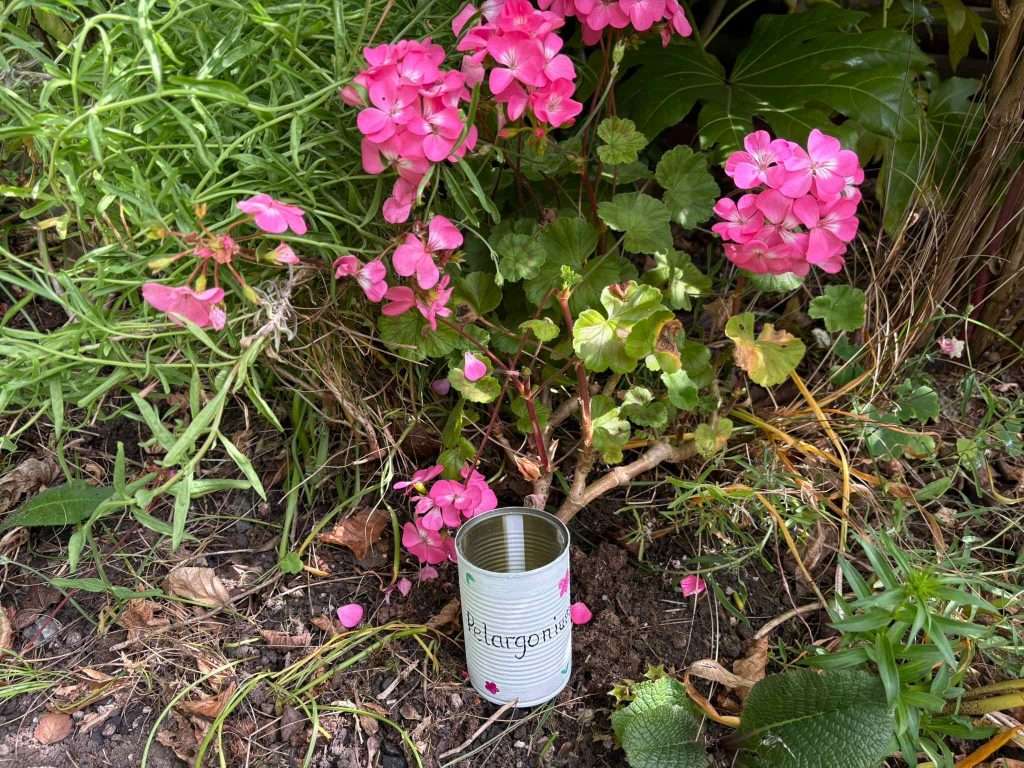
Don’t throw those empty tins away. Cleaned up and decorated, they make characterful little markers that are easy to spot even in a crowded bed. Remove the labels, give them a scrub, and either paint them or leave them with that raw, utilitarian look, both work, depending on what style you’re going for.
You can write directly onto the tin with a waterproof marker, or attach a small wooden or card tag with the plant name on it. The height of tin cans is genuinely useful; they stand proud of the soil and don’t get lost amongst foliage the way smaller markers sometimes do. If you have trouble with them moving in the wind you can weight them down with a few rocks or a bit of soil.
A good all-rounder, and an excellent use for something that would otherwise go in the recycling.
4. Popsicle Sticks
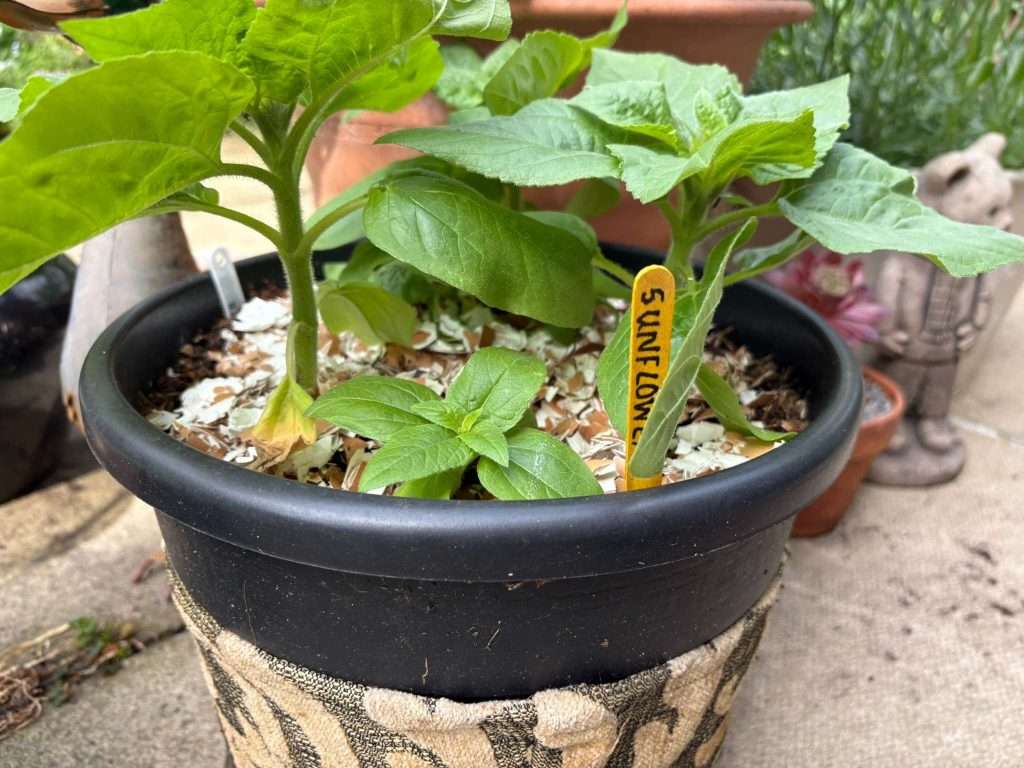
Simple, small, and inexpensive, popsicle sticks are the workhorse of the homemade marker world. They fit neatly between seedlings in a tray or tightly sown rows without taking up any real space. I must confess that these are my go-to garden markers. They are always in the shed!
Decorate them with washi tape, dab on a bit of colour, or just write directly on them with a permanent marker if you’re keeping things straightforward. They’re lightweight and easy to rearrange if your plans change, which in a vegetable garden they often do.
The one downside is that they won’t last forever outdoors, but given how cheap they are, that’s not exactly a dealbreaker. Stock up and replace them as needed.
5. Slate or Clay Tiles
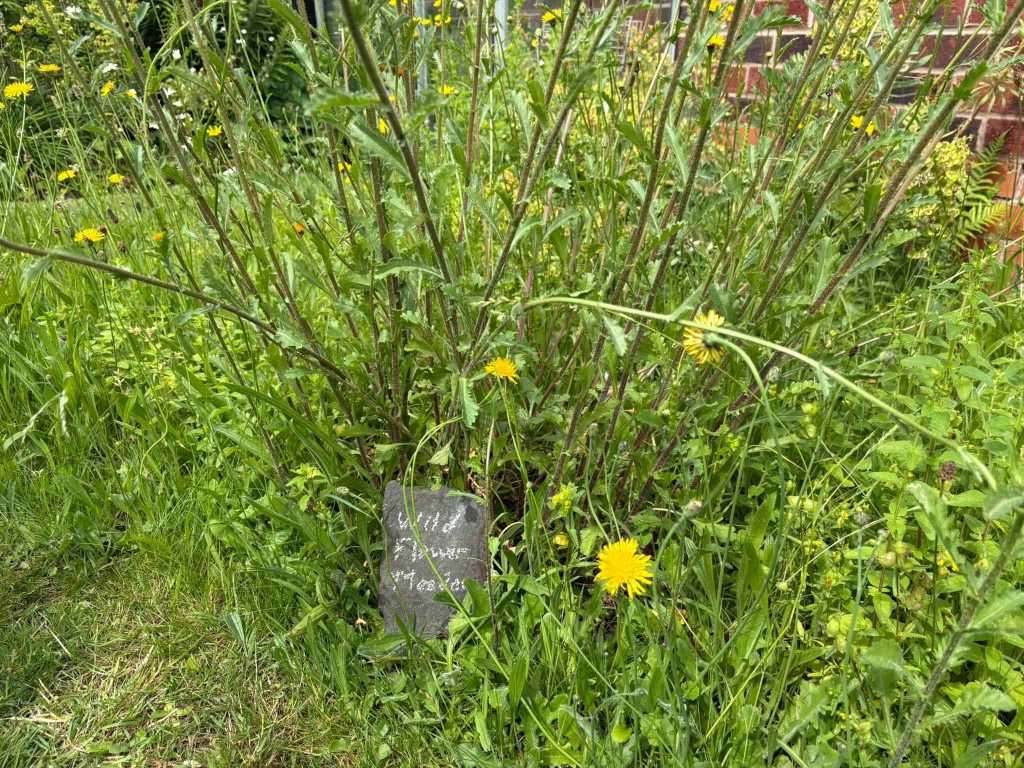
If you’d rather something that lasts a bit longer and looks a bit smarter, slate or clay tiles are well worth considering. Small pieces of slate in particular have a lovely natural quality that sits beautifully in a garden setting.
You can write on them with a chalk marker for something easy to update, or use an engraver if you want something more permanent. Broken tiles from an old project work just as well as anything bought new, this is a good opportunity to use up offcuts that might otherwise clutter up the shed.
These markers are best suited to larger beds where you’re marking out whole rows, and they can handle whatever the British weather throws at them without complaint.
A Few Tips for Making Them Last
Whichever materials you go for, a couple of things will help your markers hold up over time. Weatherproofing is the big one, varnish or sealant on anything painted or wooden makes a real difference over a wet season.
Write clearly and boldly; pencil fades, permanent markers and paint pens don’t. Push markers firmly into the soil so they don’t topple over when it’s windy, but make sure they’re not sitting right on top of a root.
And if you’re growing different crops in rotation, think about whether your markers can be updated or swapped out without too much fuss
Getting Creative with It
Making your own markers doesn’t have to be a big project. Even an afternoon with some paints and a few collected materials can produce enough to label an entire bed.
It’s a nice way to involve children in the garden too; give them their own patch and let them make and place their own markers.
There’s something about labelling a plant that makes them feel genuinely responsible for it.
Planning Your Summer Veg
If you’re using this as a prompt to think about what to grow, now is a good time to plan things out. Knowing what you’re planting helps you work out how many markers you’ll need and how much space to allow.
Different summer veg have very different requirements in terms of spacing, support, and sunlight, so a well-organised, clearly marked bed makes tending to everything considerably easier once things start growing.
It’s a small thing, really, a handmade marker stuck into the soil beside a seedling. But it makes the whole garden feel more cared for, more considered, and a great deal more yours.
Also for your Garden
If you are looking for some more great ideas and projects for your garden take a look at my gardening section.
If you like to grow lots of vegetables perhaps raised beds will be a good idea for you. They allow you to take control of your growing medium and raise the growing surface up to make it easier to work in.
If you are looking for ways to accessorise your garden without breaking the bank check out this section full of projects such as a solar water feature, garden gazing globes and many more.
Whatever you are up to in your garden save this article to your favourite Pinterest board so that you can find it later.