4 Clever Ways To Double Small Room Size
As an Amazon Associate I earn from qualifying purchases
Many of us have rooms that we really need to be larger than they are. So, today Home reserve are sharing some fabulous ideas to buy us that space without moving home!
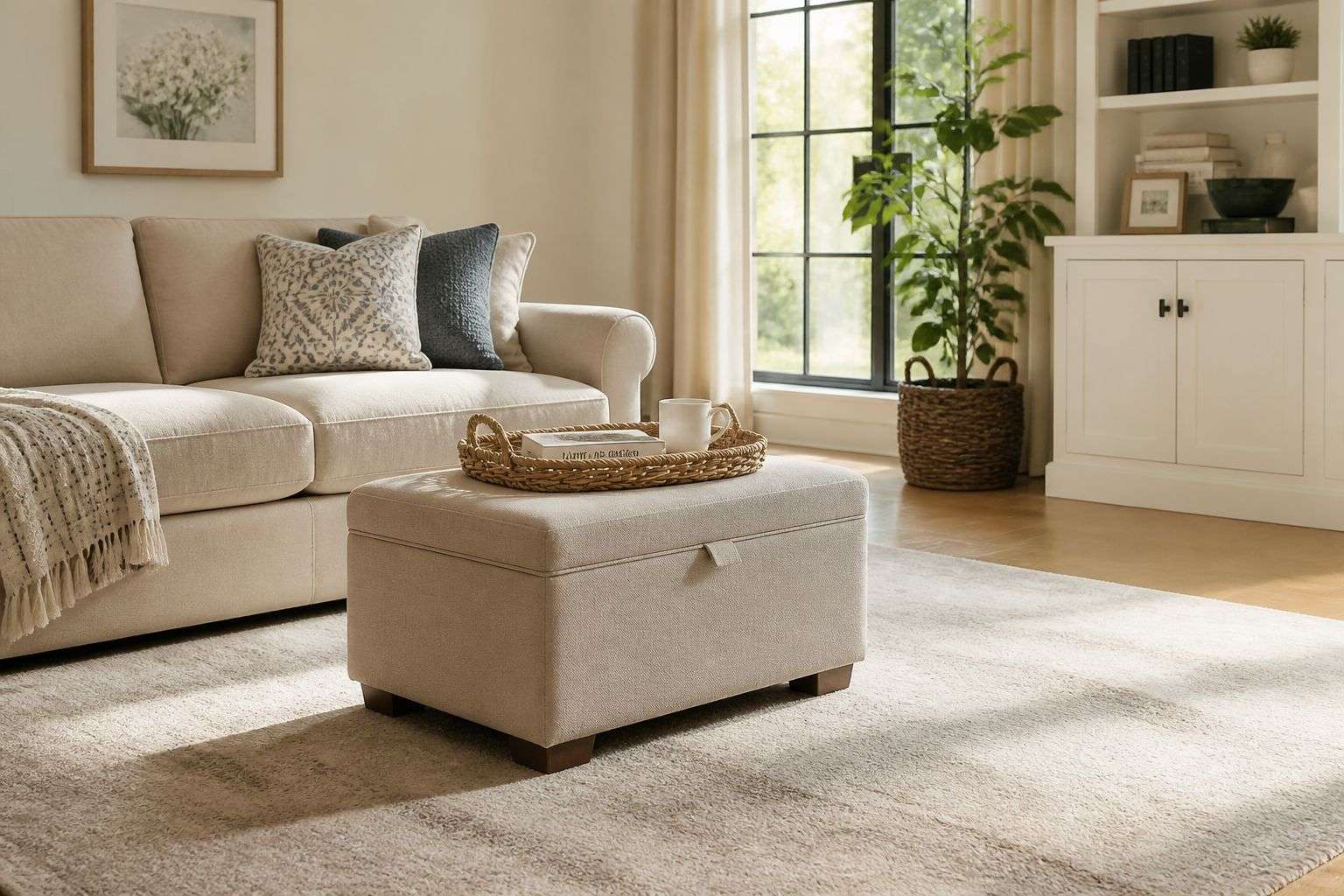
Four low-effort strategies can make a small lounge feel significantly larger: using multi-purpose furniture that stores and adapts, adding vertical décor to draw the eye upward, layering handmade soft furnishings in cohesive tones, and carving out visual zones with rugs, lamps, and plants.
None of these require a contractor, a weekend of demolition, or a large budget, just a little intention applied to the right spots. A room that pulls triple duty as a TV lounge, homework corner, and guest space doesn’t need more square footage. It needs smarter decisions about what goes in it and where.
When a single room has to function as a family gathering place, a home office, and an occasional guest bedroom, the biggest challenge is keeping it cozy without overcrowding the floor plan.
Clutter builds up fast, making already tight quarters feel suffocating. By making a few targeted budget home décor updates, you can start reclaiming your living space this weekend using simple craft supplies and strategic layout tweaks.
1. Space-Saving Furniture for Multiple Jobs
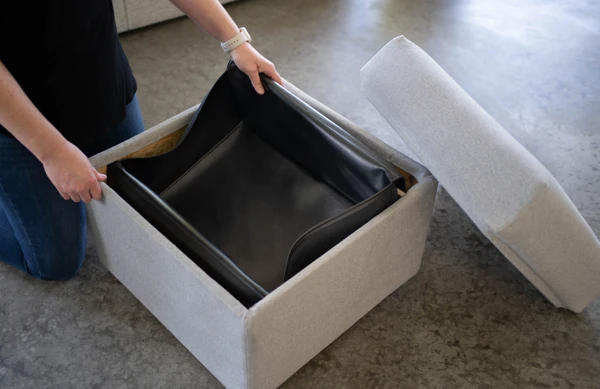
In a small lounge, bulky single-purpose furniture causes the most frustration because basic side tables or decorative benches eat up floor space without earning their keep. The fix is to source or build pieces that hide daily clutter while serving their primary function. Ottomans with internal cavities easily clear the floor of blankets or board games while providing a place to rest your feet.
You can even upcycle a sturdy wooden crate by capping it with a padded, upholstered lid to create custom storage seating that perfectly matches your room. Nesting tables tuck flat against a wall when not in use, freeing up valuable walking room during busy afternoons.
As the bulkiest item in the room, the sofa dictates how the rest of the floor plan flows and functions. A compact home needs seating arrangements that adapt to daily life without demanding supplementary wooden cabinets nearby.
Placing a Home Reserve’s couch with hidden storage against your longest wall keeps toys and winter layers out of sight. Because the storage compartments sit directly under the seat cushions, you gain massive organizational capacity without bringing a single new storage bin into the living area.
Removable, washable covers also ensure the piece survives heavy daily use by kids and pets while maintaining a tidy appearance. Modular space-saving furniture allows you to shift the layout if the room changes purpose, converting from a family lounge into an open floor plan without needing a brand-new sofa.
| Key Insight: The sofa is the biggest missed opportunity for multi-purpose function. A couch with hidden storage eliminates the need for extra storage furniture, reclaiming floor space without losing utility. |
2. Vertical Décor Tricks for Taller Walls
The eye naturally tracks vertical lines upward, meaning you can manipulate how tall a ceiling feels just by changing where you hang your fixtures. Standard curtain rods mounted right above the window frame visually chop the wall in half and compress the room.
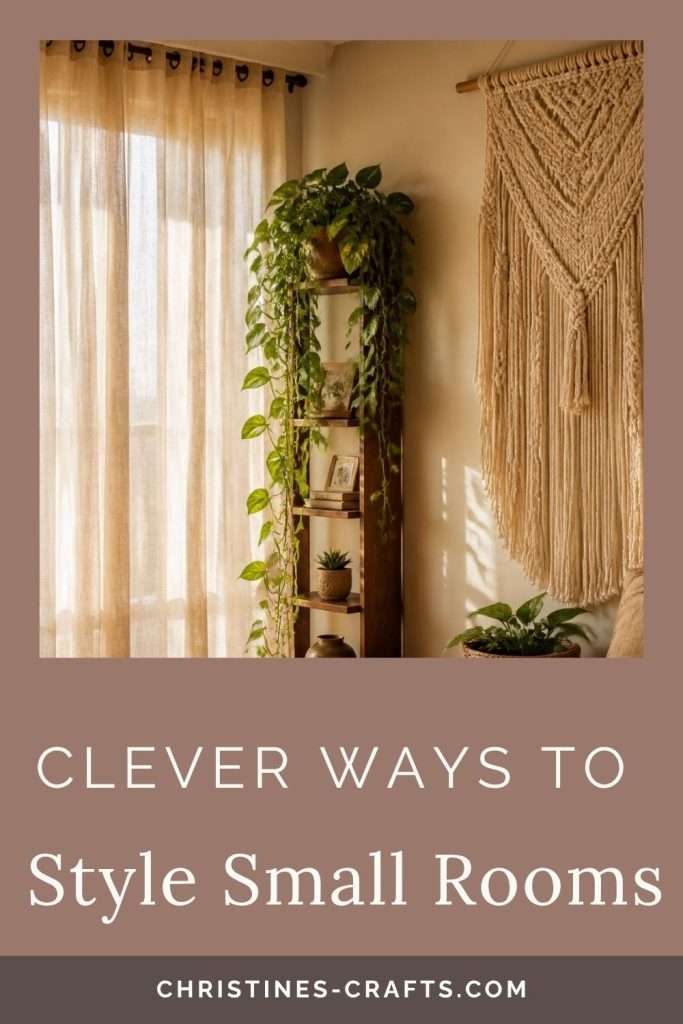
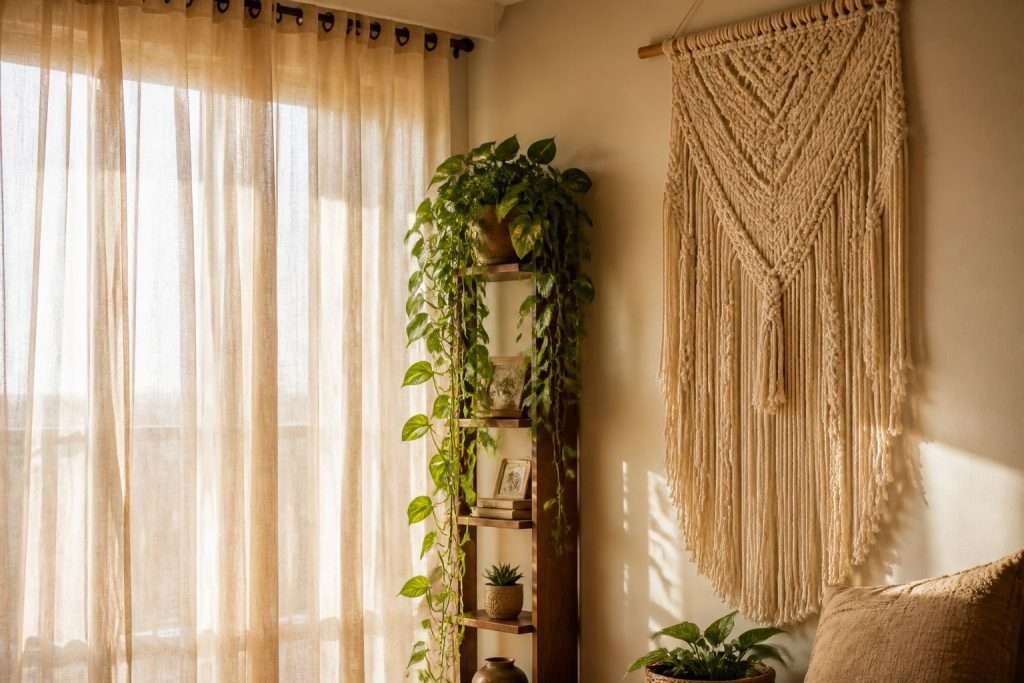
Mount the rod hardware just below the ceiling line instead, dropping floor-length linen panels all the way down to the skirting boards. The unbroken drop of light-colored fabric signals extra height while bouncing natural sunlight deeper into the center of the lounge.
Swapping wide shelving for tall, narrow units pushes the proportions upward while leaving more breathing room for adjacent seating. You can emphasize this vertical shift by crafting a custom wall hanging that draws attention close above eye level.
Cut varying lengths of scrap fabric or thick yarn, fold each piece over a simple wooden dowel, and pull the tails through the loop to knot them tightly. Hanging this textured piece near the ceiling brings natural warmth to a blank corner while pulling focus away from a crowded floor.
3. Handmade Soft Furnishings That Control Clutter
Adding extra layers might sound counterproductive when space is tight, but deliberate cozy living room styling prevents a modest lounge from feeling like a sterile waiting area. The secret is limiting your palette to two neutral colors and a single primary texture.
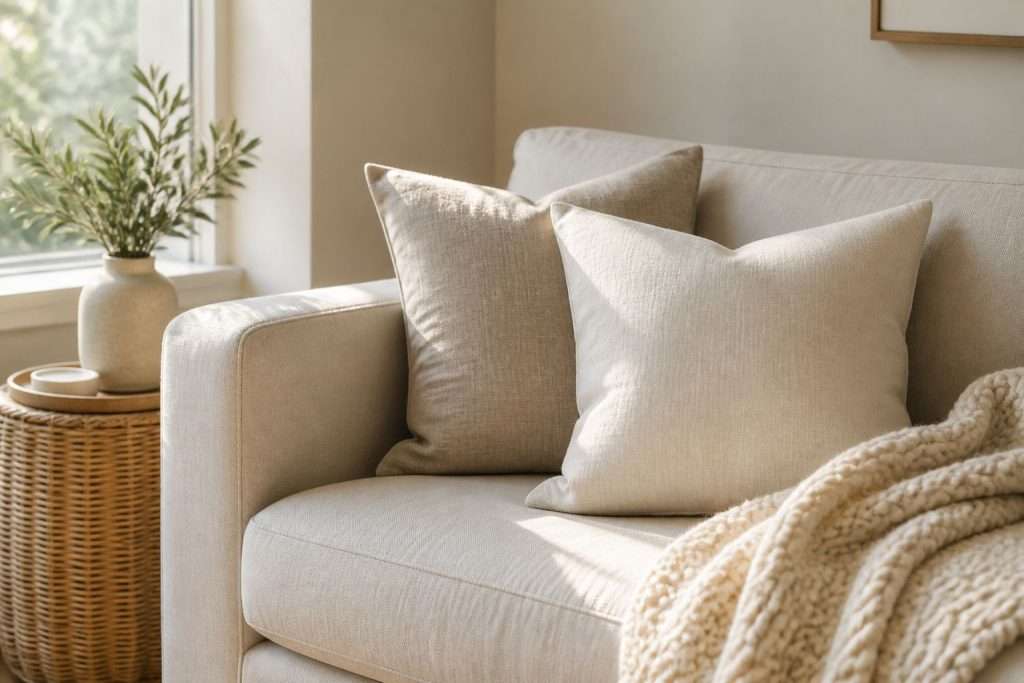
A room scattered with five different loud cushion patterns reads as chaotic and visually overwhelming. Sticking to a cohesive pair of light linen tones creates a curated environment that feels restful and expansive.
Updating tired accessories avoids dipping into your primary decorating budget since remnant fabrics operate beautifully for small projects. You can sew a set of envelope-back cushion covers from a single meter of textured boucle in under an hour without needing to install complicated zippers. Full instructions here.
Simply fold the fabric over the insert so the back panels overlap, pin the edges securely, and stitch a straight seam around the perimeter. For an easy no-sew companion piece, cut two large rectangles of fleece, fringe the edges into thin strips, and knot the top and bottom layers together around the entire border to form a heavy throw blanket.
4. Visual Zoning with Textiles and Plants
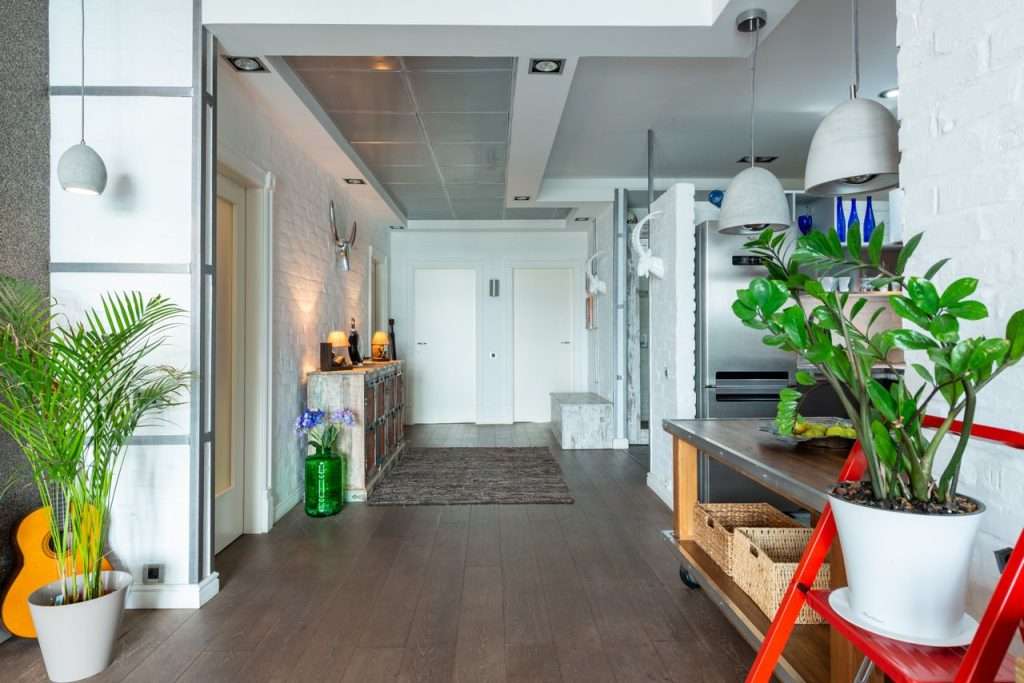
Open-plan areas trick the brain into seeing a larger footprint when you segment the floor into specific functional zones. You can carve out distinct boundaries for a reading nook or a TV space using lighting and floor layers rather than physical room dividers.
Tucking a large neutral jute rug securely under the front legs of the sofa immediately anchors the main seating area. Layering a smaller vintage woven rug directly over the center of the jute base adds depth and separates the conversation zone from common transit paths.
Corner lighting and organic textures reinforce these invisible room borders. Placing a warm 2700K floor lamp next to a reading chair establishes a distinct destination separate from the harsh overhead ceiling lights. You can frame the outer edge of this new zone by clustering low-maintenance greenery like snake plants and pothos vines in DIY upcycled planters.
Clean an empty tin catering can, coat it in matte chalk paint, and wrap the bottom third in natural twine secured with craft glue. Dropping a nursery pot into this handmade outer shell builds a stylish, budget-friendly display piece that gently sections off the room. Grouping three planters of varying heights forms a natural boundary line without blocking any natural light.
| Pro Tip: Use a rug under the sofa area and place lamps in different corners. These simple visual cues trick the eye into reading the room as multiple distinct zones, no walls or partitions required. |
Your Next Steps
A cramped home transforms quickly when you stop bringing in single-use items and start maximizing the overlooked dimensions of your space. Designing a layout around a hidden storage sofa reduces the need for bulky external cabinets while keeping daily essentials easily accessible to the whole family.
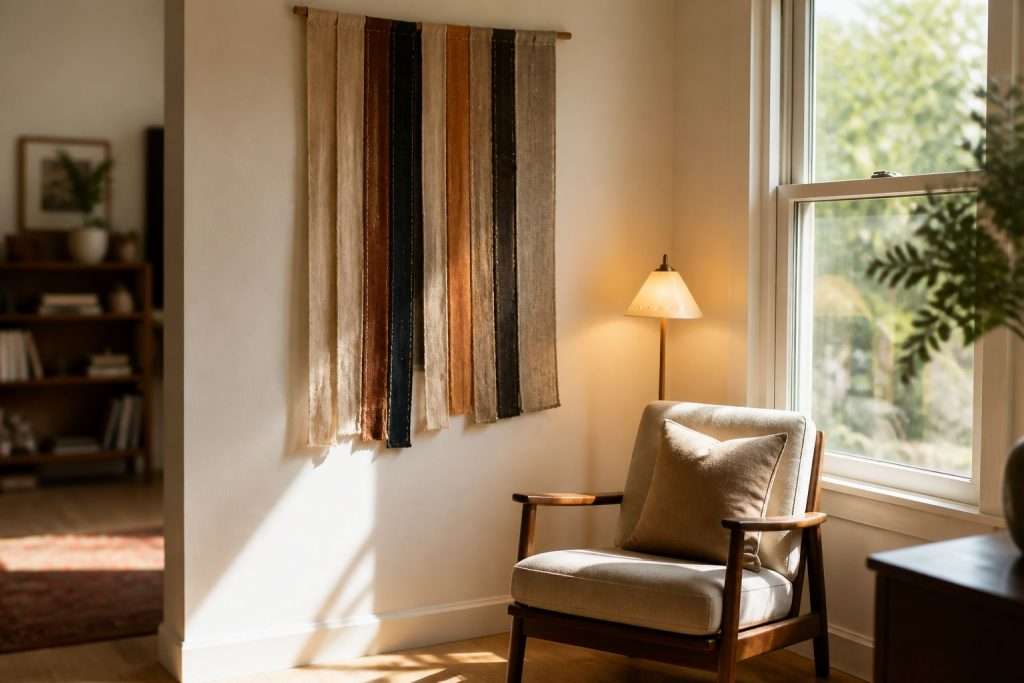
Pairing structural upgrades with handcrafted cushion covers and tall fabric wall hangings builds a personalized environment that reflects your taste rather than a generic display room. Start by sewing a new throw blanket or raising your curtain rods to the ceiling to test the physical impact of vertical lines.
| Author Profile: Home Reserve is the leading manufacturer of adaptable modular furniture for families seeking durable, sustainable solutions for everyday living. |