4 Simple Ways To Build Stunning Ponds
As an Amazon Associate I earn from qualifying purchases
I love water features of any size but I only have experience of small water features and ponds. So, if you are thinking about a large-scale pond you need expert advice so Everblue Pond are sharing thier expertise with us here.
Building a stunning large-scale pond requires strategic planning and professional-grade equipment. Whether you’re developing a private lake, agricultural pond, ranch water feature, or golf course installation, the right approach transforms raw acreage into a functional ecosystem with lasting visual impact.
You can implement these four professional elements as a comprehensive development plan or phase them strategically across seasons. The most engaging large property water features start with active circulation.
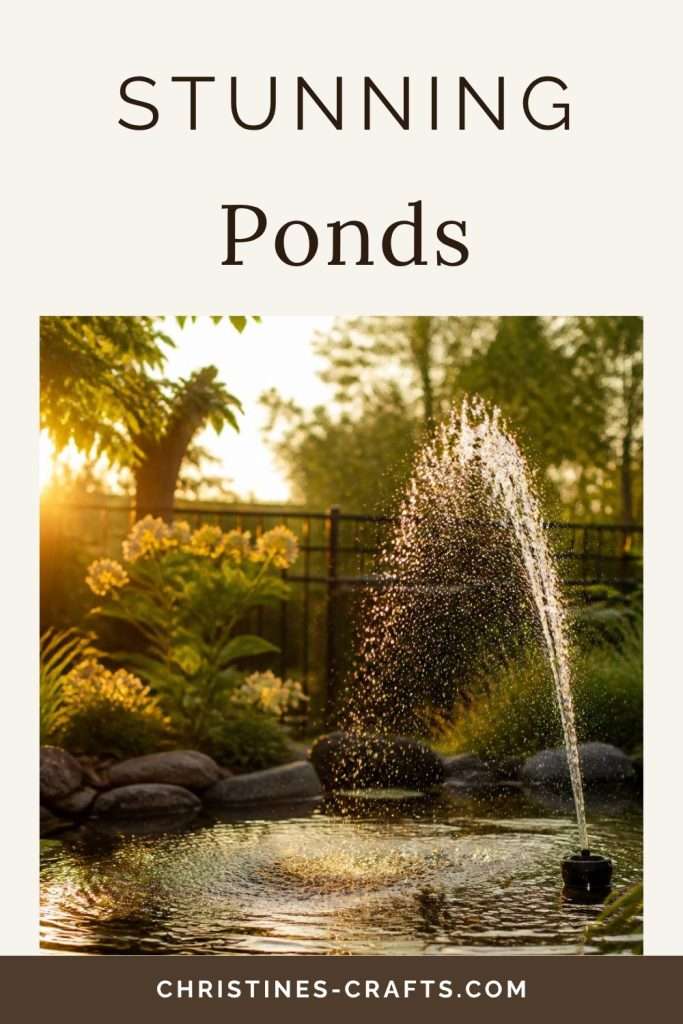
1. Add a Fountain for Movement and Magic
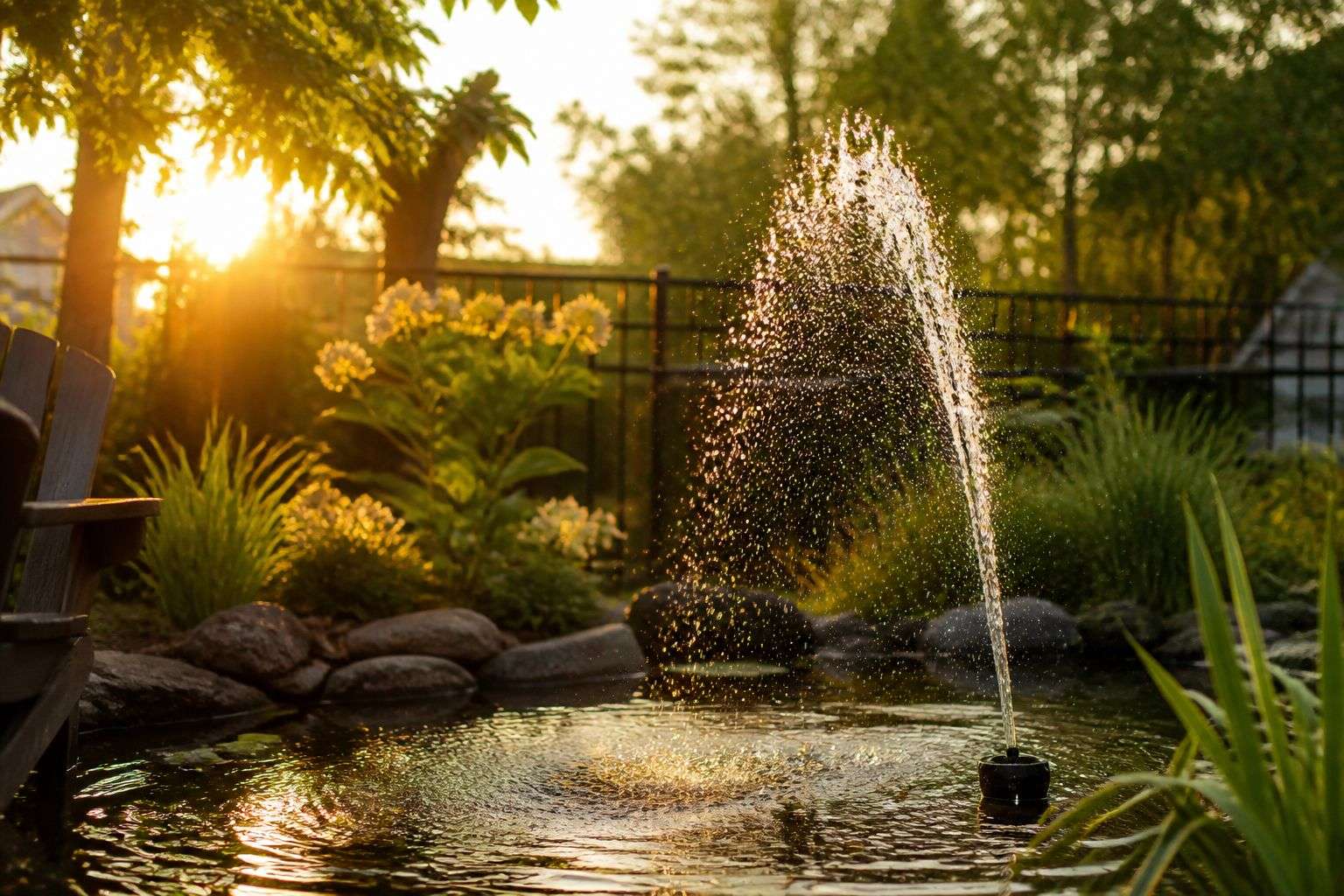
Still water looks peaceful, but moving water catches ambient light in shifting patterns. A circulating feature produces a continuous, soft sound that masks ambient property noise while drawing native bird species to your property. Commercial-grade fountain systems provide robust circulation for ponds ranging from quarter-acre to multi-acre installations.
An aerating fountain circulates the entire pond volume and eliminates dangerous stagnant pockets. When hypoxic water columns see their dissolved oxygen concentrations dip below 2 or 3 mg/L, organisms typically face an immediate die-off. Even before dropping that low, dissolved oxygen falling below 5 mg/L becomes harmful to fish and forces them to gulp air at the surface.
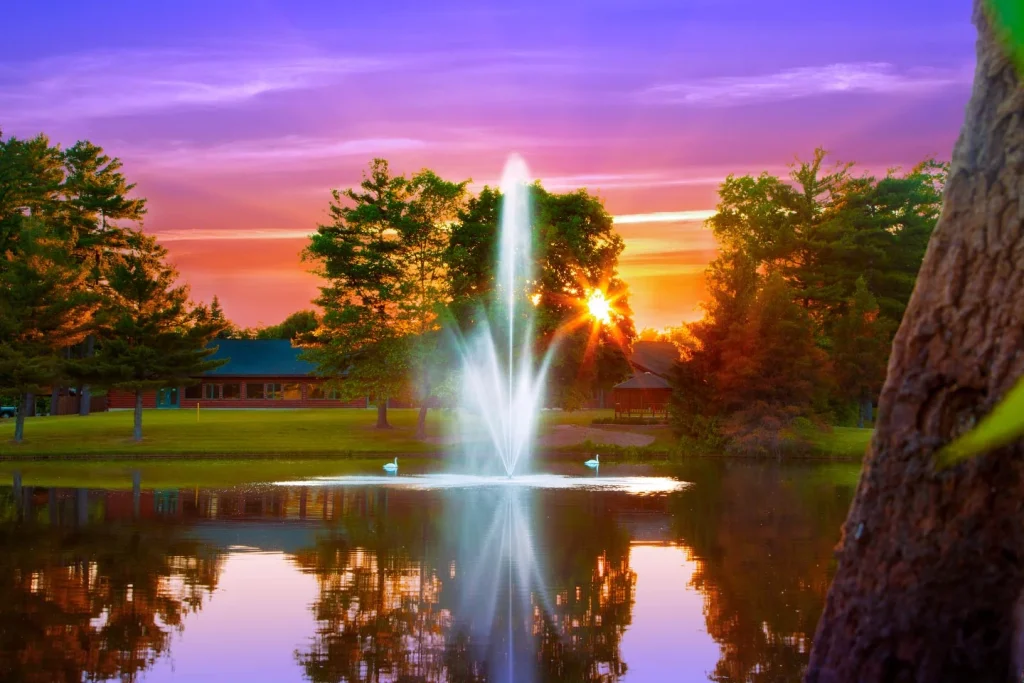
Large property ponds and private lakes benefit from equipment with substantial structural presence and power. Property owners, ranch managers, and landowners looking to make a strong visual statement can install a high-reaching pond fountain from Everblue Pond to get heavy-duty aeration alongside an architectural spray pattern.
Choosing the right spray geometry for your specific pond size prevents unwanted water loss while maximizing the visual return on your investment.
Adding an LED lighting kit turns this circulating water unit into an evening focal point. A fountain arc glowing after dark extends usable hours late into the night. This strategic lighting investment ensures the splashing sounds carry across the property while the dancing water catches whatever illumination remains.
| Key Insight: Moving water masks ambient noise, deters algae with aeration, and invites birds so the same fountain that creates a visual centerpiece also keeps the pond water clean and clear all summer. |
2. Design Natural Pond Edges
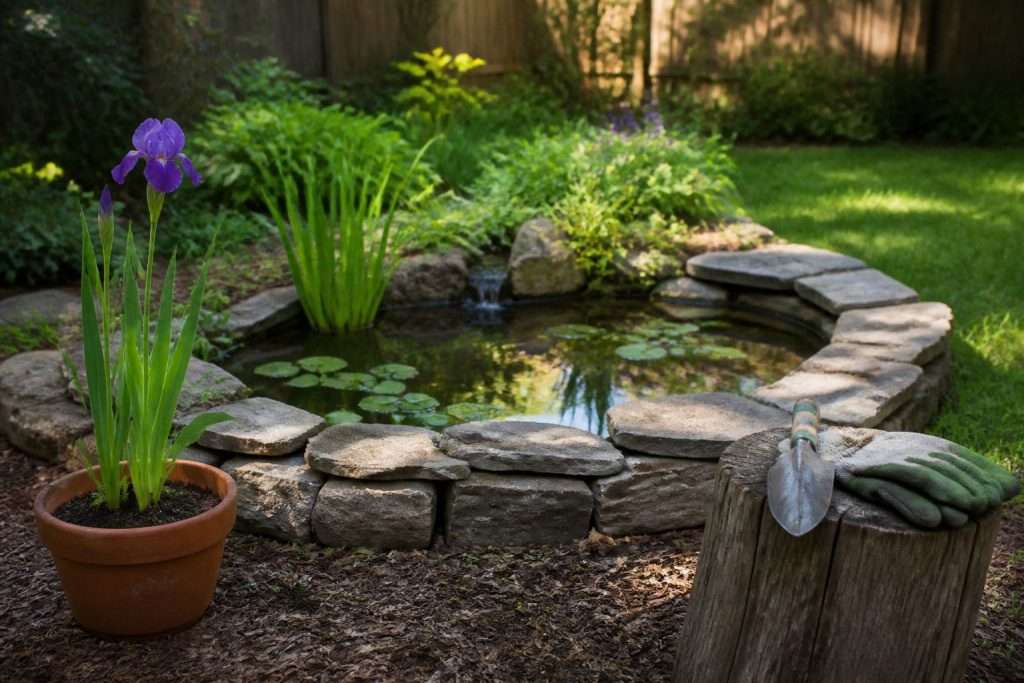
Properly designed pond edges create seamless transitions between water and surrounding terrain, making installations look natural rather than artificial. Designing an intentional border instantly frames the water and anchors the whole installation. Professional pond edging can be accomplished cost-effectively by sourcing natural stone, native plants, and raw materials directly from your acreage.
Sourcing flat fieldstones or river rocks from your property creates an organic border around the pond perimeter. You build visual intrigue by letting your rock heights vary slightly instead of laying them in a uniform row. Natural stone positioned in irregular patterns weathers attractively over consecutive seasons while requiring zero mortar for placement.
Siting the pond within view of ranch buildings, main residences, or high-traffic property areas ensures maximum enjoyment and functional oversight. Natural stone edging around large ponds creates scenic pastoral aesthetics while preventing erosion. Strategic placement of boulders and native vegetation along the shoreline provides habitat structure while maintaining clean sightlines.
3. Establish Native Vegetation for Sustainable Pond
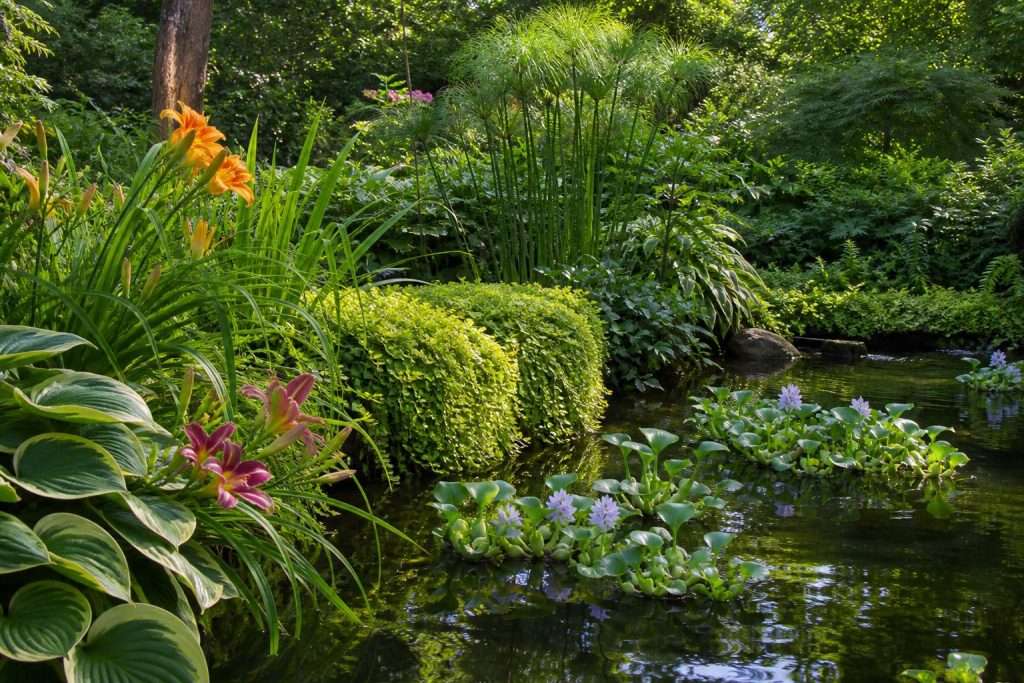
Native aquatic vegetation stabilizes pond edges, filters nutrients, and creates wildlife habitat while giving installations a natural, established appearance.
Three proven native species work exceptionally well for large-scale pond installations across varied climate zones. Native water lilies establish in deeper zones and provide surface coverage, while emergent rushes and sedges trail gracefully over the perimeter to provide natural erosion control and habitat structure.
Managing aggressive spreaders keeps your water feature manageable through the peak summer heat. The dwarf cattail variety, known botanically as Typha minima, only grows about two feet tall rather than mimicking the massive ten-foot height of a standard cattail. This moderate-height native profile brings essential vertical structure to pond margins without rapidly choking out the remaining water surface.
Perimeter planting around the pond shoreline builds layered foliage textures that complete a professional installation organically. Native grasses, wildflowers, and shrub species adapted to your region handle variable moisture conditions successfully.
Ornamental grasses bend in the breeze to mirror the rippling waves, while native flowering perennials attract pollinators and wildlife throughout the growing season.
| Important: Standard cattails and common duckweed spread aggressively in ponds; stick to dwarf cattails (Typha minima) and avoid duckweed entirely to keep your water feature manageable through the growing season. |
4. Carve Out a Cozy Nook for Enjoying Your Pond
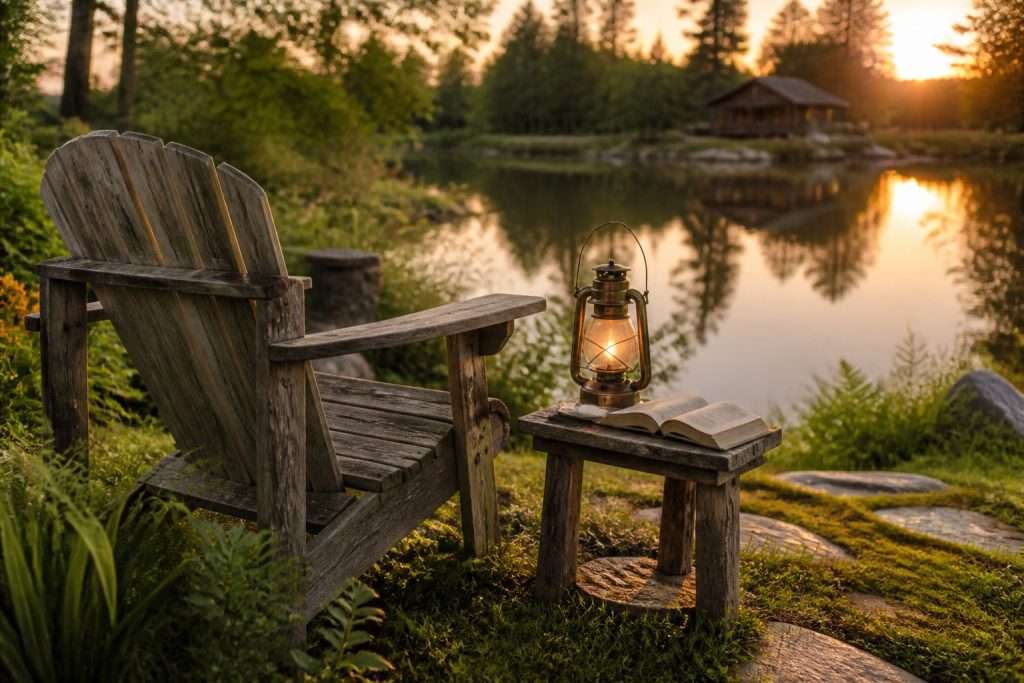
Establishing designated observation areas gives property owners, guests, and managers strategic vantage points for enjoying water features and monitoring pond health. These viewing stations can range from simple seating arrangements to developed pavilions, docks, or observation decks depending on property scale and usage.
Viewing area designs scale dynamically to accommodate your property’s topography and intended use.
A simple bench positioned at the pond’s edge provides immediate relaxation and functional observation capability. For larger gatherings or corporate properties, permanent gazebos, fishing docks, or multi-person seating areas create dedicated spaces for recreation and property enjoyment.
Developing a simple gravel pad or natural stone platform provides stable base structure for seating areas. Adding a side table alongside a weather-resistant seating arrangement turns the spot into a functional outdoor observation station.
Your primary placement rule is simple: position your chosen viewing area so the fountain and primary water features land squarely in your central sightline.
| Key Insight: Strategic seating aimed toward the water transforms a pond from a visual accent into a daily destination. Define the area with gravel pathways, natural stone platforms, or permanent structures to make the viewing area feel deliberate, not accidental. |
The Path Forward
Installing a heavy-duty aerating fountain protects aquatic balance and delivers a towering visual spray pattern. Grounding the perimeter with natural stone edging and native vegetation masks any artificial transitions and creates seamless integration with surrounding property.
A dedicated viewing station guarantees you actually spend time soaking up the surrounding natural atmosphere.
Pick one goal for your next development phase, like establishing shoreline vegetation or installing commercial fountain equipment, and watch the aquatic ecosystem mature from there.
| Author Profile: Everblue Pond offers a broad selection of large pond, commercial lake, and water-feature equipment for landowners, farmers, acreage owners, ranch owners, large property owners, golf course managers, pond managers, and property managers who want cleaner water, healthier ecosystems, and dependable year-round operation. |