10 Unique Finds That Make Local Shopping More Meaningful
As an Amazon Associate I earn from qualifying purchases
Shopping locally offers more than the convenience of finding something nearby. It creates opportunities to discover handmade products, regional food traditions, and practical items that reflect the skills of independent makers. Unlike large retail stores, local markets often feature products with distinctive materials, methods, and stories behind them.
From handcrafted household accessories to locally produced foods, these discoveries can make an ordinary shopping trip more interesting. They also offer a chance to appreciate traditional skills and find useful items that are not always available through mainstream retailers. I love visiting our local makers markets and craft fairs.
1. Traditional Foods and Homemade Preserves
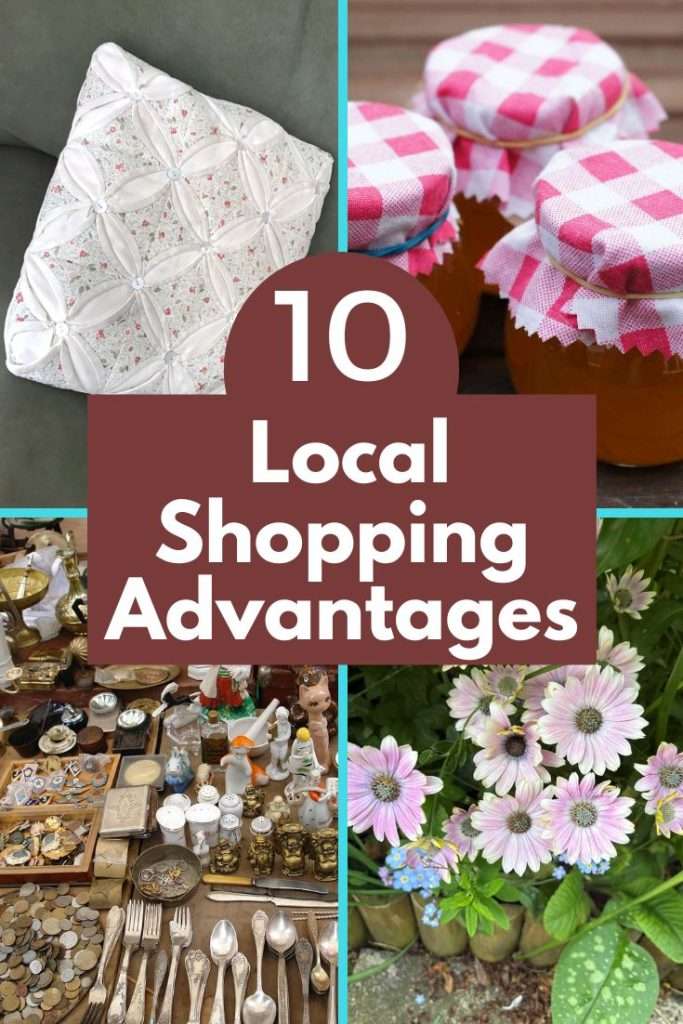
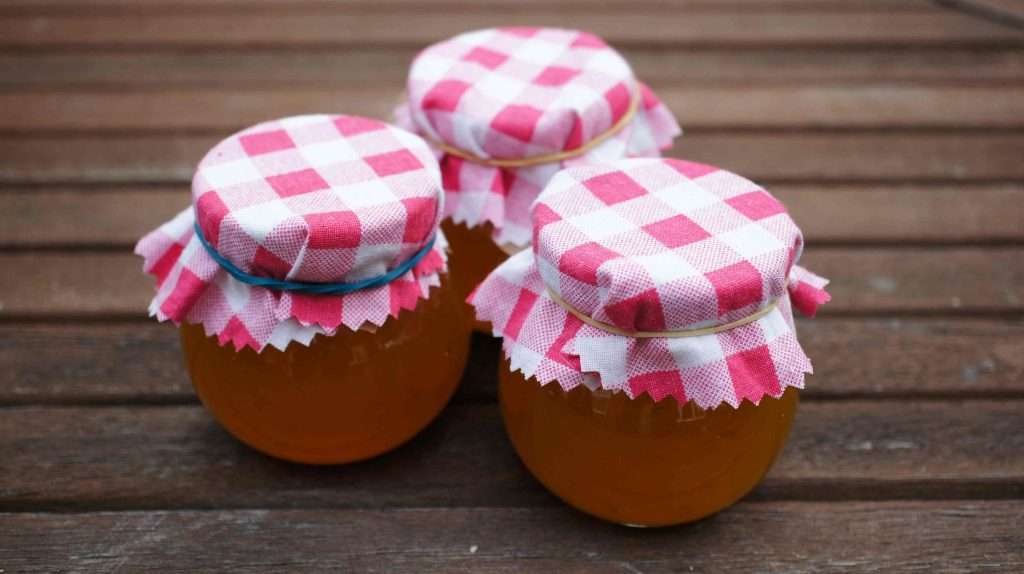
The foodstuff is always one of the most fascinating things one may try in a traditional market. Homemade jams, fruit butters, pickled vegetables, baked goodies, and homemade relishes tell about the history of agriculture and cuisine in the area. The majority of these dishes were invented taking into account seasons and ways of preserving some foods. You really will find some amazing items for you and for gifts.
For example, the Pennsylvania region has a great culinary tradition, which is especially well-developed in Pennsylvania Dutch communities. The visit to Amish markets in Pennsylvania will give an opportunity to find out more about traditional methods of food production, as well as baking and food preservation. Such products as fruit preserves, baked goodies, and homemade relishes may illustrate these traditions in food preparation.
When buying any homemade food, pay attention to information concerning ingredients, storage conditions, and preparation date, especially if there is the necessity to keep some products in a refrigerator. It is also helpful to know something about food preparation. In my experience local makers love sharing this information with you.
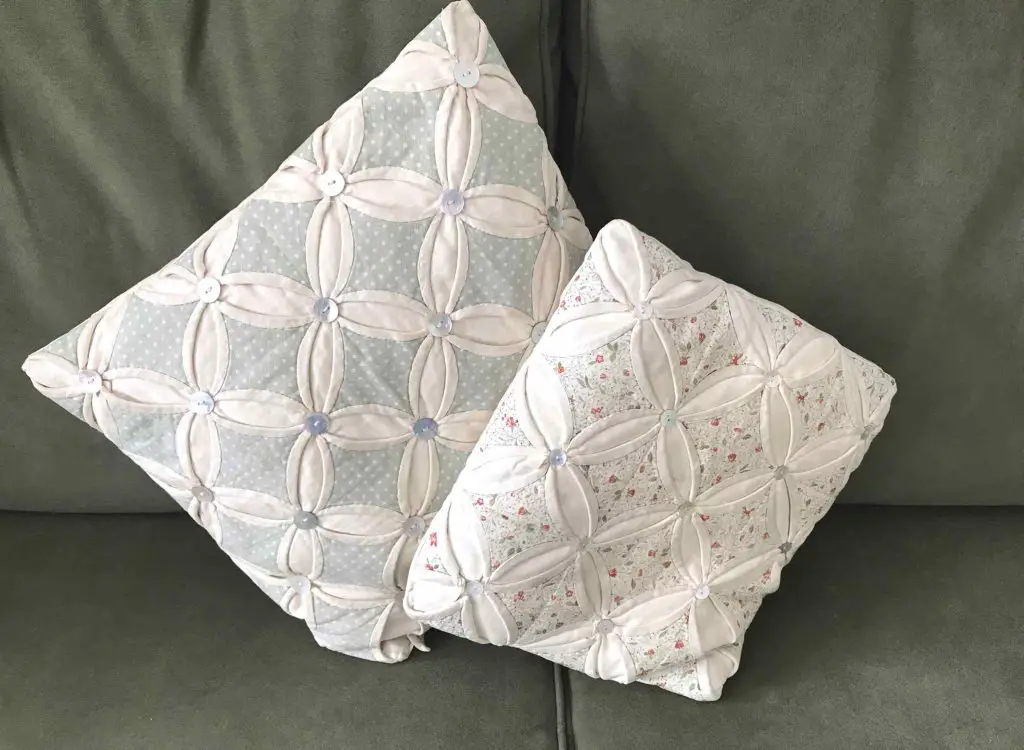
2. Handmade Quilts and Textiles
Quilts, embroidery linens, woven baskets, and table runners exhibit the care that goes into making traditional fabrics. Their design and colour may take their inspiration from their geographical origins or personal creativity, or even be handed down across generations. I love hand crafted textiles!
These objects have practical applications too. A hand-made table runner can add flair to a dining room, while fabric baskets can serve as beautiful organizers for everyday objects.
When observing textiles, one should take note of sewing, quality of fabric, and seams, which give a better gauge of durability than appearance. Usually, you will find the quality much better when an item is handmade.
3. Handcrafted Wooden Kitchenware
Cutting boards, serving platters, utensils, and bowls represent the intersection of fine woodworking with practical use. This is an area where I am in total awe of the craftspeople. They create such beautiful, yet practical, items.
One thing to check with a vendor is whether the kitchenware has undergone the process of being covered with a food-safe finish. The wooden items also require regular conditioning with food-safe mineral oil.
4. Locally Produced Honey and Beeswax Products
Honey is an intriguing discovery in the marketplace due to its varying flavours and colours based on the type of flower from which the bee collected nectar. It is also thought that honey from an area can help prevent hay fever in that area. But, I have no idea if it really works!
Producers may sell clover, wildflower, or buckwheat honey, all with different flavours. Another item that can be produced using the same source is beeswax candles and food wraps. Whatever you purchase, you are helping to support local bee colonies and the environment.

Credit: Photo by depositphotos.com
5. Handmade Pottery and Ceramics
Subtle differences make the difference between handcrafted and factory-made ceramics such as coffee cups, food plates, plant pots, and tiles. Creativity really comes to the fore in handmade ceramics.
The slightest discrepancy in the edges and even glaze colours may just be a natural outcome of the handcrafting method rather than a flaw. Nevertheless, practicality is important as well, since not all decorated ceramics can withstand food preparation and washing. Simply ask the vendor.
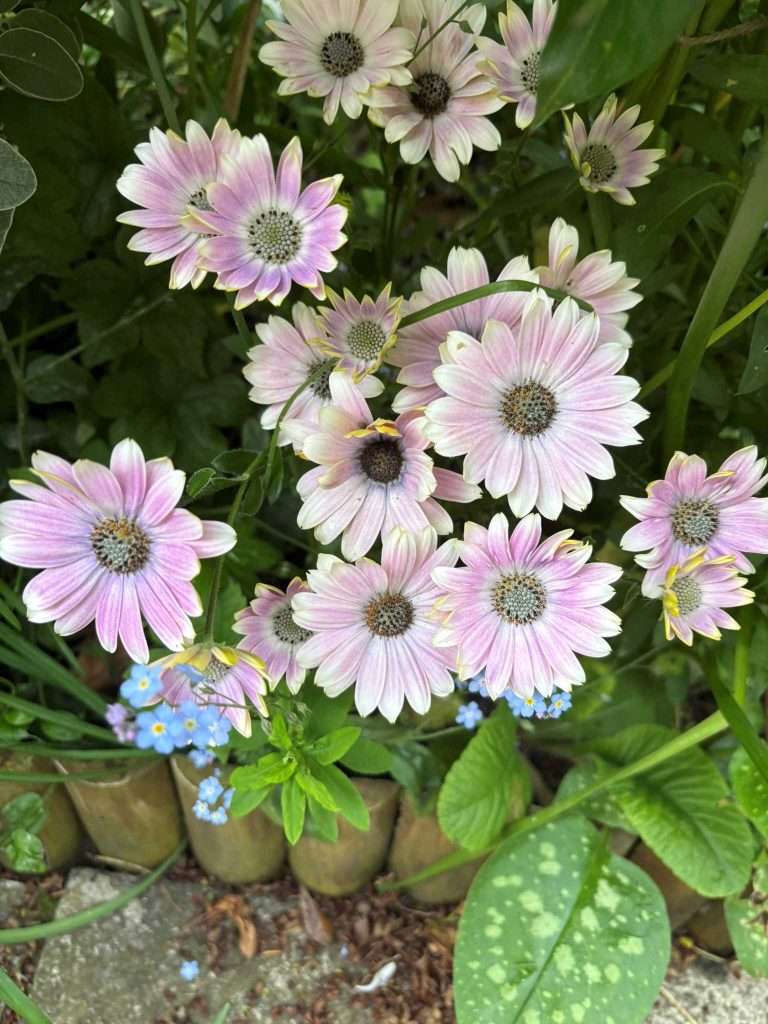
6. Seasonal Flowers and Garden Plants
The local growers usually have plants that represent the season. The spring market may include such plants as tulips, daffodils, and seedlings for vegetables. In the summer, one can find herbs, sunflowers, and annual flowering plants.
Purchasing plants directly from growers can give valuable information regarding the area where they grow. The growers may advise on appropriate varieties and give recommendations about watering, sun exposure, and soil. Plus, if it is local to you they will be able to give excellent advice on your particular area and conditions.
7. Traditional Baked Goods
Fresh breads, pies, pastries, cookies, and pretzels are common market choices, yet the regional variety of each makes them more exciting. Plus, wherever you are in the world you can search out local delicacies at markets.
Culinary influences found in Pennsylvania Dutch cuisine can be tasted through dishes like shoofly pie and soft pretzels, which have been part of the local cuisine for many years.
Try out some delicious cuisine at the market and take some home for later.
8. Handmade Candles and Home Fragrances
Candle makers work independently and experiment with beeswax, soy wax, essential oils, and scents according to the season. The items can be used to decorate a house, as well as gifts on different occasions. Independent makers often show great creativity with oils and containers.
In addition to the fragrance, pay attention to the type of wax, the wick, and how to burn candles. This will help you make an informed choice when buying candles.
As crafters we always find that the reusable glass container can be useful for something else after the candle burns out.
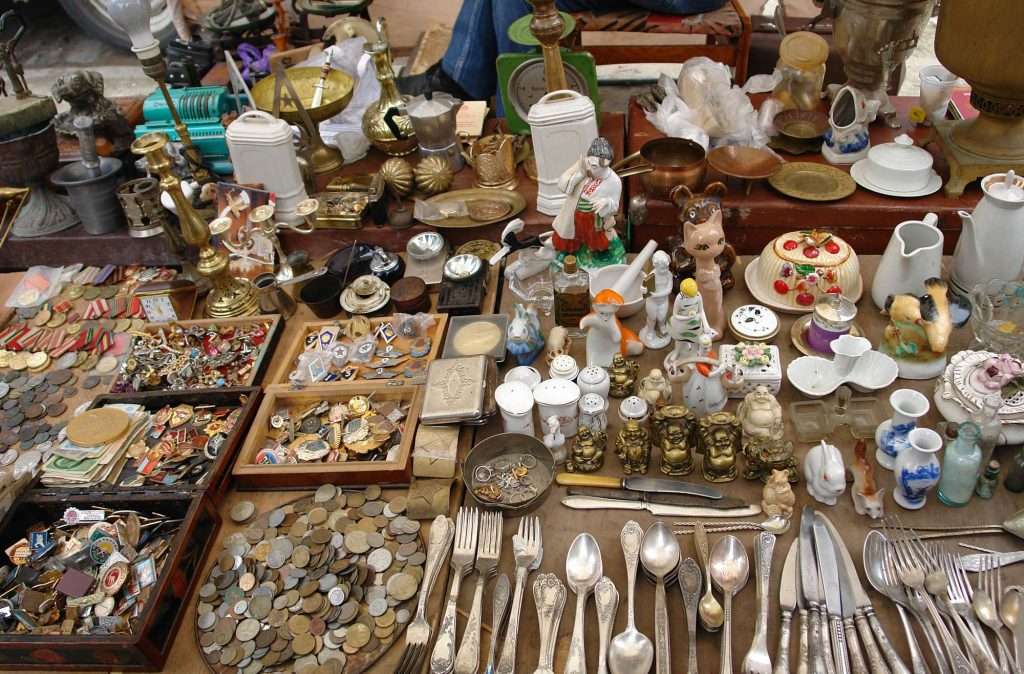
9. Vintage Kitchenware and Household Accessories
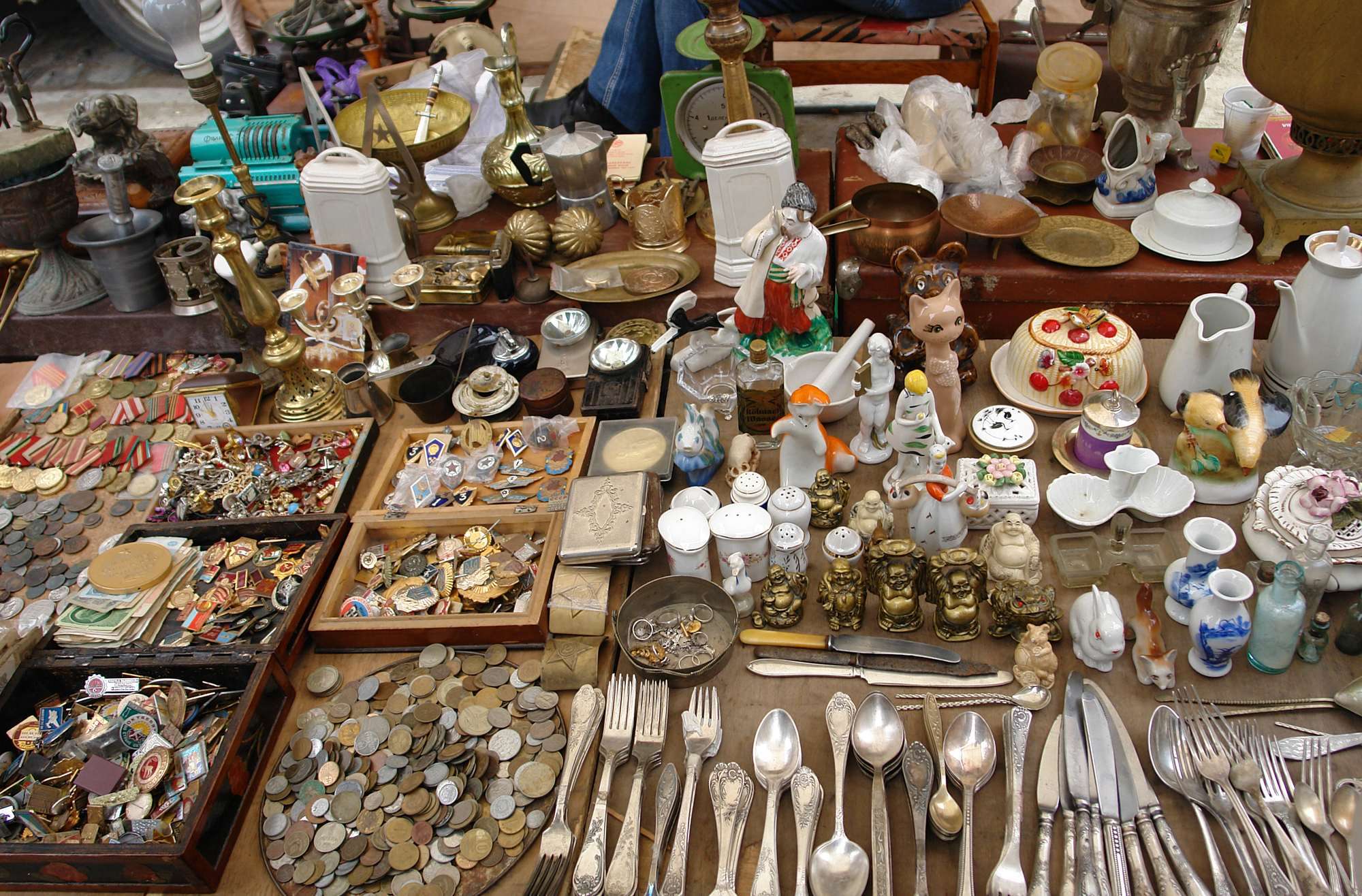
Old-fashioned glass jars, wooden boxes, storage tins, and kitchen gadgets can add charm to your day-to-day life. Local markets are a great place to search for vintage items.
A lot of old-fashioned home goods come with unique designs and materials, which are not common in today’s products. In addition, the products can be used creatively. For instance, an old wooden box can serve as storage, while a good-looking glass jar may contain craft supplies.
Take a close look at any item you buy as a used product to check whether it has cracks, rust, and other defects. Remember that any products designed for food should be tested. Use your common sense, if it is to be used to store yarn you do not have to worry as much as if you want to use it store flour!
10. Small-Batch Craft Supplies
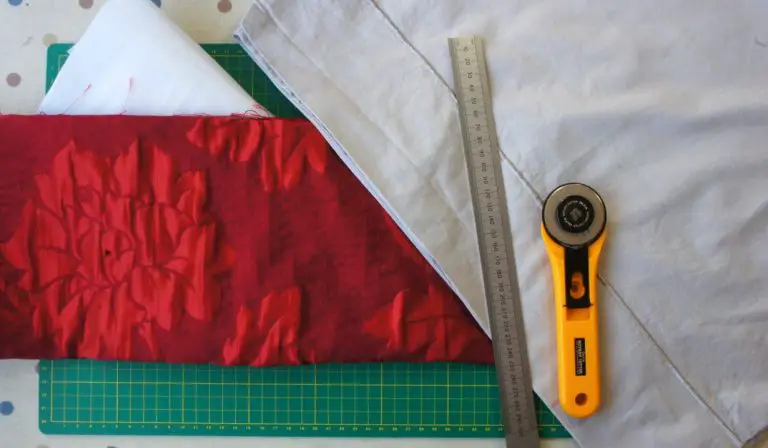
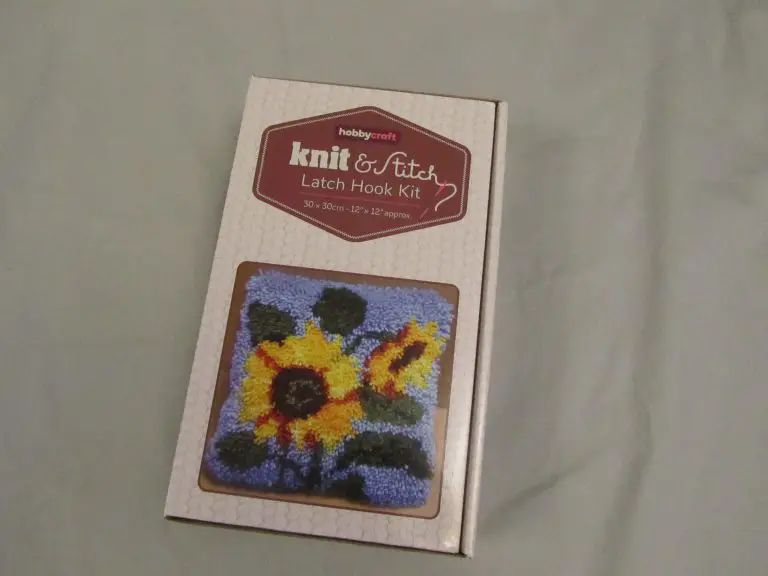
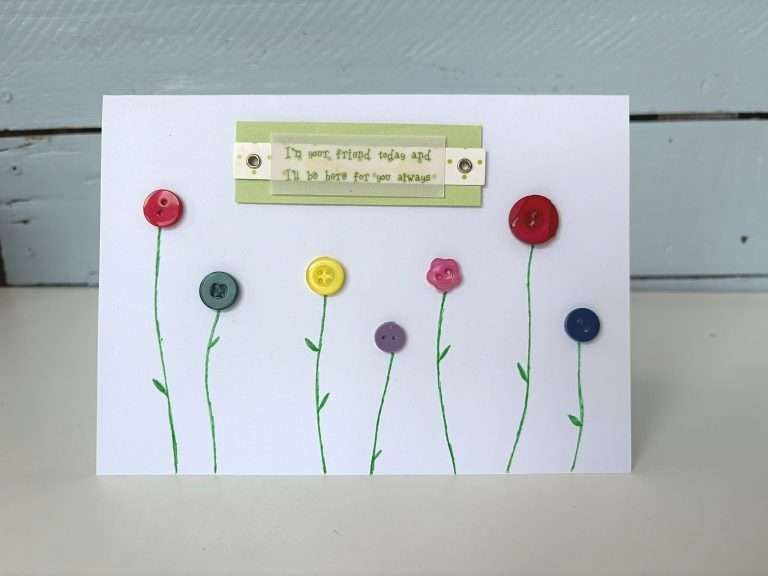
This is my favourite stall at any local market. Remnants of fabric, decorative papers, ribbons, natural dyes, and other supplies for crafting are especially helpful for those of us who enjoy creating something ourselves.
These items help us experiment and keep costs down. All these materials can serve as a source of unique decorations, homemade presents, or seasonal activities. For instance, decorative paper and other household items can be used together to make unique accessories using the decoupage techniques.
Moreover, purchasing smaller amounts of materials from small producers will help to prevent the waste of supplies. This keeps costs down and helps the environment.

Making Local Shopping More Meaningful
Shopping locally does not solely depend on how many things are bought. The true value of shopping locally lies in knowing where goods come from, learning about the craftsmanship in making these goods, and finding out about traditions that could go unnoticed otherwise.
The USDA’s Agricultural Marketing Service offers information on local and regional food systems as well as relationships between farmers and consumers.
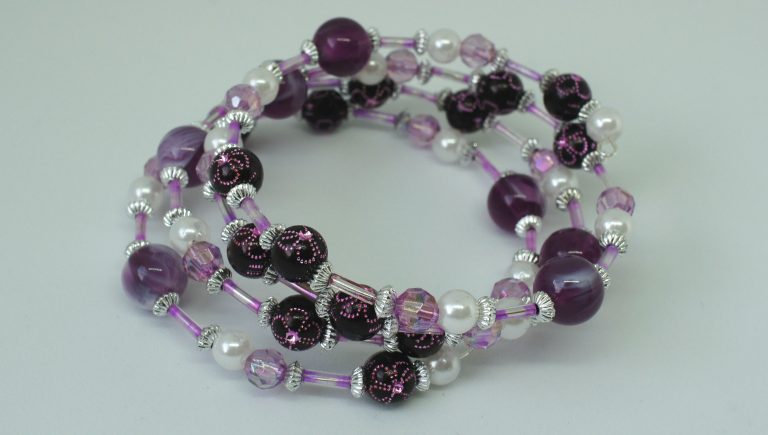
Shopping with curiosity instead of having a set list of things to buy allows one to learn something new during each visit. Whether it be a recipe for a traditional dish, an item of handmade jewelry, or an unfamiliar craft material, one can buy things that will be helpful and valuable in addition to gaining knowledge about the people and traditions behind these things. But, be careful to remember your budget – markets can be so tempting!
At the end of the day, mindful shopping locally means that one buys things for their quality and value.