5 Methods for Sealing and Protecting Finished Diamond Artwork
As an Amazon Associate I earn from qualifying purchases
Diamond painting is a craft that combines creativity and precision, allowing crafters to create vibrant, sparkling artwork by placing small resin “diamonds” onto a coded adhesive canvas. This hobby has gained popularity because it is both relaxing and visually rewarding, producing a final piece that can be framed or displayed in a home or office.
While the crafting process is enjoyable, protecting the completed artwork is essential to ensure it retains its sparkle, color, and structural integrity over time.Many hobbyists begin with beginner-friendly diamond painting kits, which are designed to introduce newcomers to the craft while still producing visually striking results. Don’t be fooled, you can still produce great artwork with a beginner kit!
Once a project is finished, proper sealing and storage are crucial steps to preserve the investment of time and effort, prevent dust accumulation, and protect the piece from moisture or accidental damage. Understanding the different methods for sealing and protecting diamond artwork can help maintain its longevity and keep it looking vibrant for years.
If you would like to know more about getting started with diamond painting then read this article on the website.
1. Choosing the Right Sealant
The first step in protecting finished diamond artwork is selecting a suitable sealant. There are several types available, including spray-on acrylics, brush-on varnishes, and clear resin coatings. Spray-on acrylics are often preferred for flat surfaces because they provide an even, thin layer of protection without disturbing the placement of the diamonds. Brush-on varnishes can be more precise, allowing careful application around the edges of the canvas or near delicate details.
Clear resin coatings offer a thicker protective layer and can enhance the overall shine of the piece, but they require careful handling to avoid bubbles or uneven surfaces. When choosing a sealant, it is important to consider the size of the canvas, the complexity of the design, and whether the piece will be framed or displayed in a protective environment. Testing a small section of the artwork before full application can help ensure compatibility and prevent unintended effects such as cloudiness or discoloration.
Also consider how confident you are with your chosen medium. Research fully online and take guidance offered by the supplier of your kit.
2. Applying Sealant Evenly
Once the sealant is selected, proper application is essential. Applying too much sealant at once can result in uneven coverage, dripping, or clouding over the diamonds. A light, consistent layer ensures that all areas are adequately protected while preserving the sparkle of each resin piece.
For spray-on sealants, maintaining a distance of 6 to 12 inches from the canvas and using smooth, sweeping motions can help achieve an even coat. When using brush-on varnishes, it is important to use gentle strokes and avoid pressing too hard on the diamonds. Multiple thin layers, allowing adequate drying time between applications, are generally more effective than a single thick layer. This approach ensures long-lasting protection while minimizing the risk of altering the appearance of the artwork.
3. Framing Finished Artwork
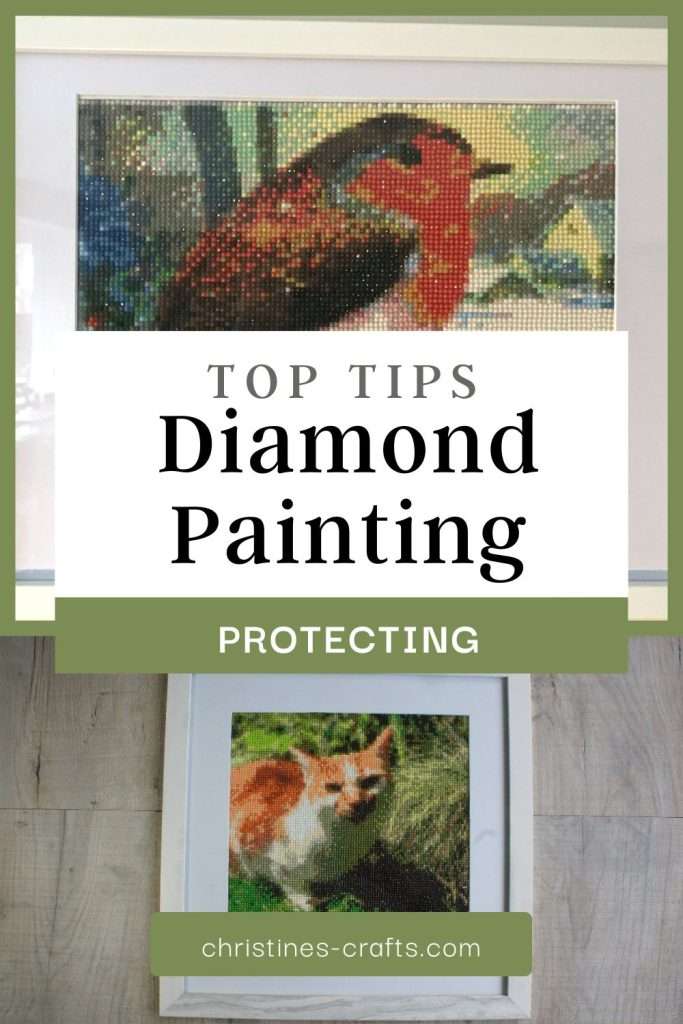
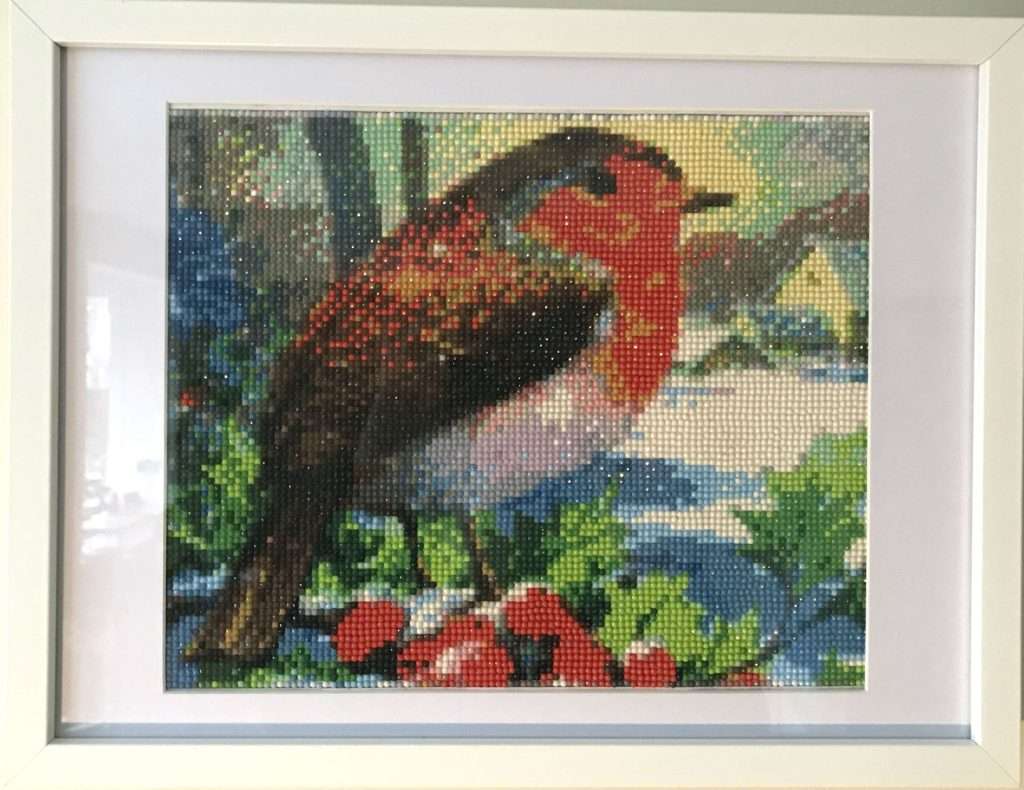
Framing is one of the most effective ways to protect a completed diamond painting. It is my preferred method! A frame not only enhances the visual presentation but also shields the artwork from dust, moisture, and accidental contact. Depending on the size and style of the project, you can choose from floating frames, shadow boxes, or standard frames with glass or acrylic covers.
Floating frames allow the edges of the canvas to remain visible, adding a modern look while keeping the diamonds secure. Shadow boxes provide depth, which is particularly useful for canvases with thicker resin pieces or multi-layered designs. Standard frames with glass or acrylic protect the surface while allowing the artwork to remain visible. Using a frame in combination with a properly applied sealant ensures maximum protection and enhances the overall display quality.
4. Using Protective Backing and Matting
Protective backing and matting are additional steps that help maintain the integrity of diamond paintings. A backing board placed behind the canvas provides support, preventing bending, warping, or accidental tearing. Matting around the edges can further protect the adhesive surface from dust and reduce the risk of diamonds loosening at the borders.
These are not methods I have ever employed as I have not done really large pictures.
These techniques are particularly useful for larger canvases, which may be more susceptible to structural stress. Using acid-free backing materials is recommended to avoid chemical interactions that could discolor the artwork over time. Combining sealant, framing, and proper backing creates a comprehensive system that keeps diamond paintings secure and maintains their aesthetic appeal.
5. Storing or Displaying in Optimal Conditions
Even after sealing and framing, the environment where the artwork is stored or displayed can impact its longevity. Direct sunlight can cause colors to fade, while excessive humidity or moisture may compromise the adhesive. Selecting a dry, stable location away from heat sources and windows is ideal.
After all that work, for temporary storage before framing or permanent display, keeping the canvas flat or rolled carefully in a protective tube can prevent creases or pressure damage. Maintaining a stable environment and avoiding frequent handling ensures that the artwork remains in pristine condition.
Conclusion
Sealing and protecting finished diamond artwork is an essential step for preserving its beauty and durability. Choosing an appropriate sealant, applying it evenly, and using framing techniques help safeguard the diamonds from dust, moisture, and accidental damage. Protective backing and matting provide additional support if needed. While proper storage and display conditions ensure the artwork maintains its color and structure over time.
Whether working with beginner-friendly diamond painting kits or more advanced projects, following these methods can help you preserve your creations for years. By combining careful sealing, thoughtful framing, and optimal storage, diamond painting enthusiasts can enjoy the sparkling results of their efforts for the long term.
I still love framing mine but if you are making mats, etc then a sealant is a great idea as framing is not an option.
If you are looking for display ideas then look no further than this!