Garden Improvements That Add Beauty Without Blowing the Budget
As an Amazon Associate I earn from qualifying purchases
Homeowners generally believe that improving the outside area would require lots of money or professional help. But reality shows that this is not true. Those changes that have the biggest effect on a garden do not include construction machinery or expensive bills at all, they rely solely on thoughtful placement, materials, and structure. Stop and think about what you can easily change.
In order to convert your backyard into an elegant and valuable place, you need to concentrate on the changes that would bring you a lot for a little price. It is amazing how much you can do yourself!
The Strategic Shift: Focus on Edging, Elevation, and Hardscape Contrast
It is true that most landscape budgets fail because of the homeowner’s attempt to stretch money across many little decorative pieces. When one buys a couple of potted plants, a birdbath, and only a roll of plastic border edging, the area is left appearing disconnected. For a unified and expensive look without spending much, hard-scape lines and vertical elements have to be emphasized. Basically, use your budget wisely on key elements instead of trying to add everything.
1. Hardscaping Borders with Natural Masonry
Well-defined edges speak to quality to the human eye. Blurred lawn edges that blend in with mulched borders will leave any well-maintained garden looking disheveled.
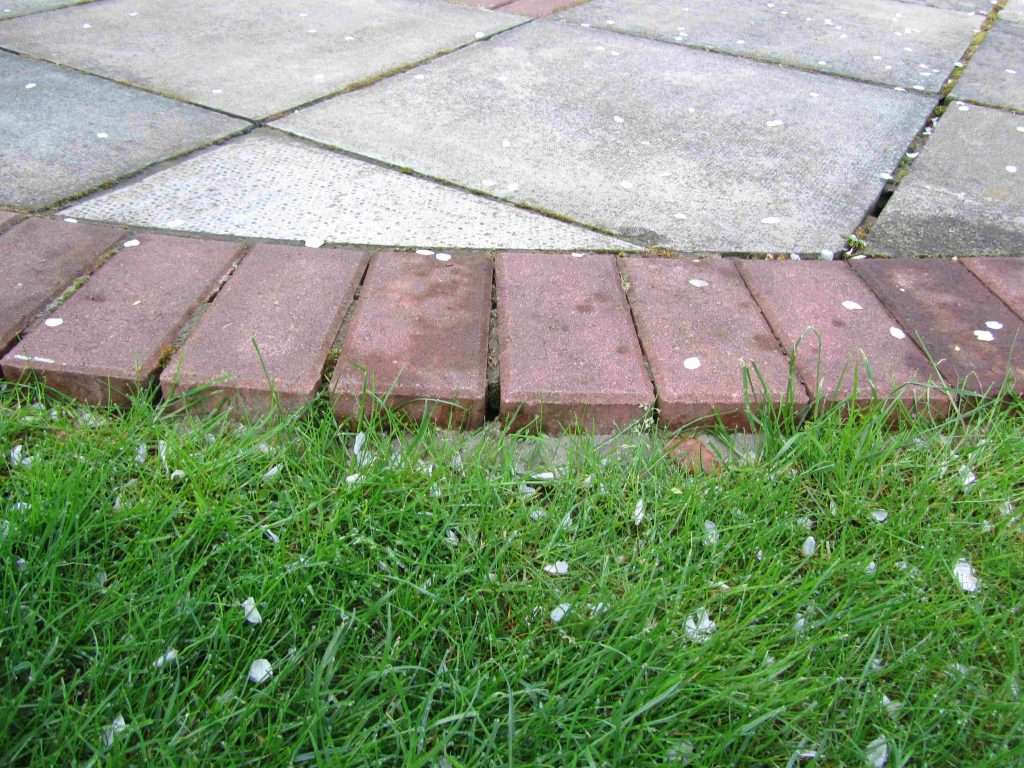
Rather than cheap plastic or composite materials that can buckle when exposed to sunlight, go for tumbled concrete paving stones, recycled red bricks, or ledger stone from nature. If you really can’t stretch to proper edging then edge the lawn and keep it regularly cut along the edge to stop the grass growing into the flower beds.
Constructing a stone or brick border is quite an easy process that needs very little tooling:
- Make a trench that is about four inches deep all along your garden bed edges.
- Pour crushed stone or stone dust (or sharp sand) two inches thick at the bottom of the trench for stability.
- Tamp the bottom surface and place your pavers level with or just above ground level
- TOP TIP! Make sure that you can mow over onto the pavers ie they are not too high.
You have now created a permanent “mowing strip” whereby your lawn mower blades can cut up to the edge of the bed to define its edge.
2. Vertical Dimension Through Architectural Trellises
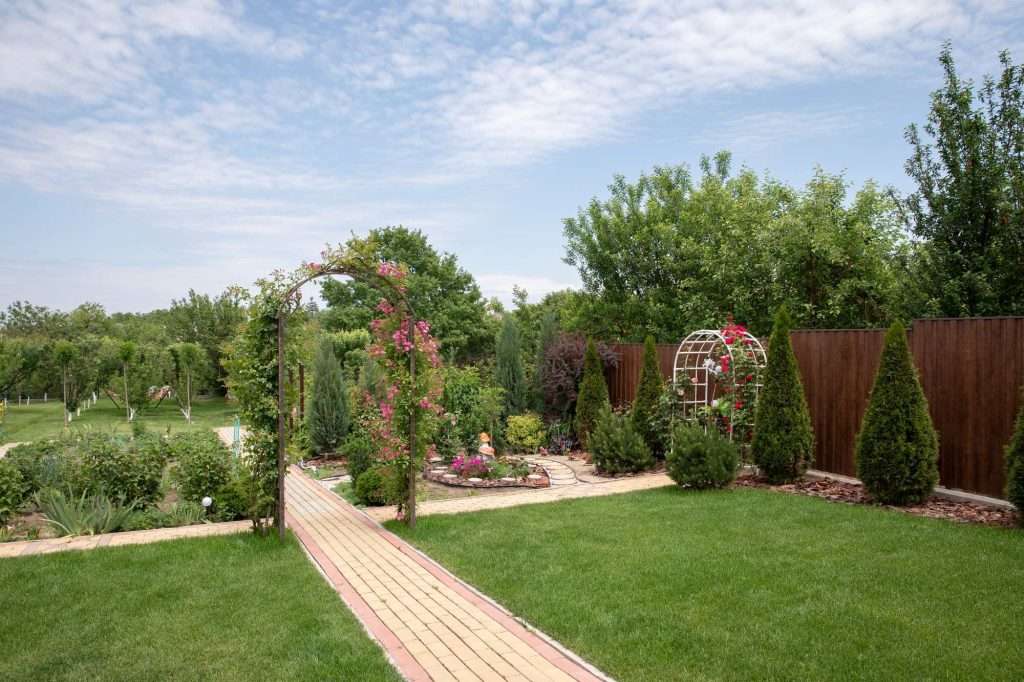
Flat plantings, irrespective of the health of the foliage, lack drama. The introduction of a vertical element will make your eyes look up, making your garden appear twice as big in smaller gardens.
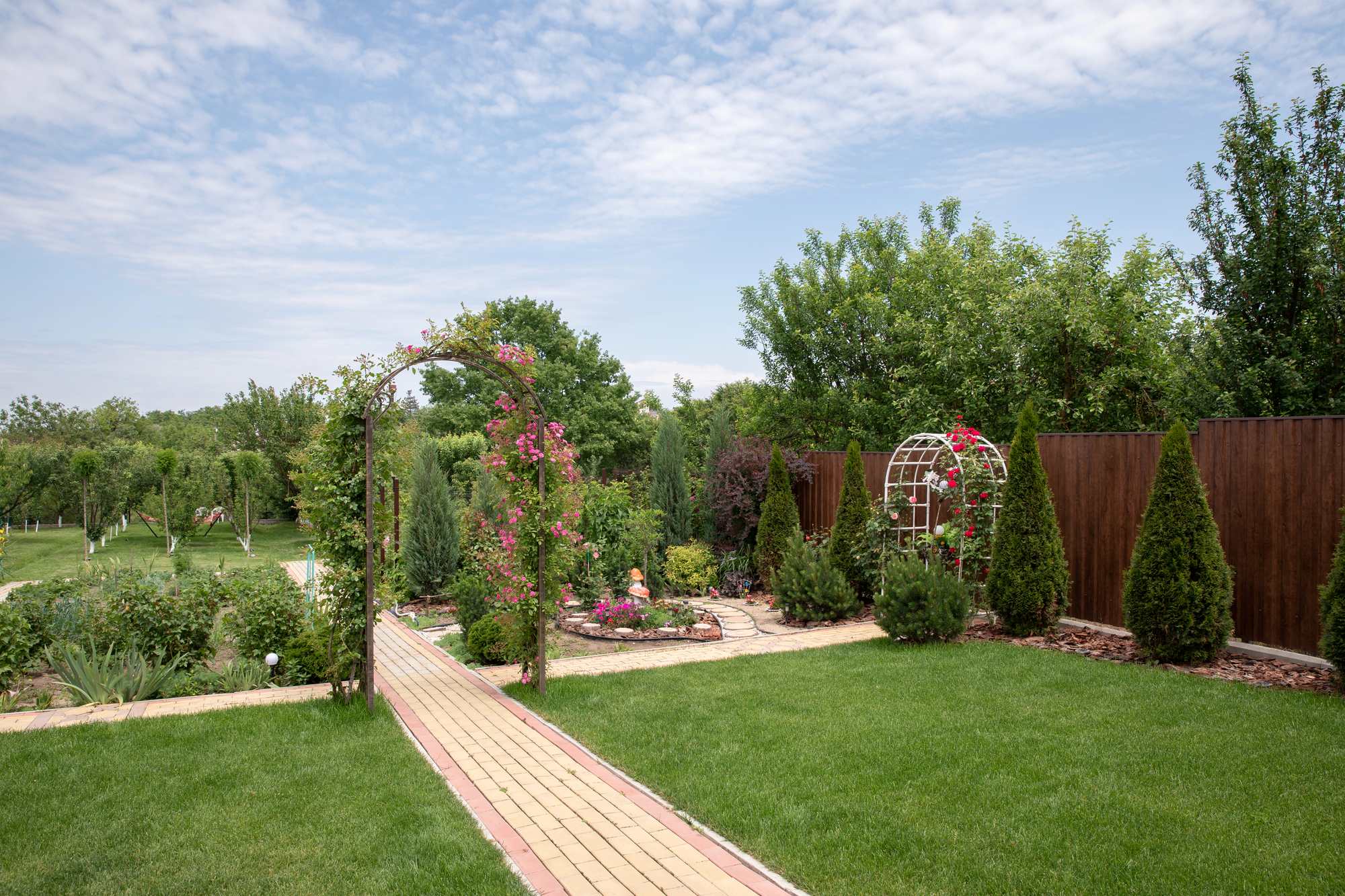
Rather than spending your money on prefab vinyl lattice from home improvement stores, construct your own timber or cattle-panel trellises. Heavy gauge galvanized livestock panels can easily be bent into a dramatic gothic arch or attached to two cedar 4×4 posts.
The combination of a strong metal or timber construction with quick-growing, perennial vines such as Clematis, Climbing Hydrangea, or honeysuckle will create a garden focal point for under a hundred dollars. After just one season of growth, the vines will cover the metal structure to form a living fence.
High-Impact Planting and Layering Strategies
Lavish plant displays need not be achieved through procurement of mature specimen plants from the nursery. Procuring mature shrubs in 5-gallon and 10-gallon containers will drain the budget quickly. A better approach is through plant selection and propagation. It is amazing what you can achieve on a small budget.
Mass Planting with Division-Ready Perennials
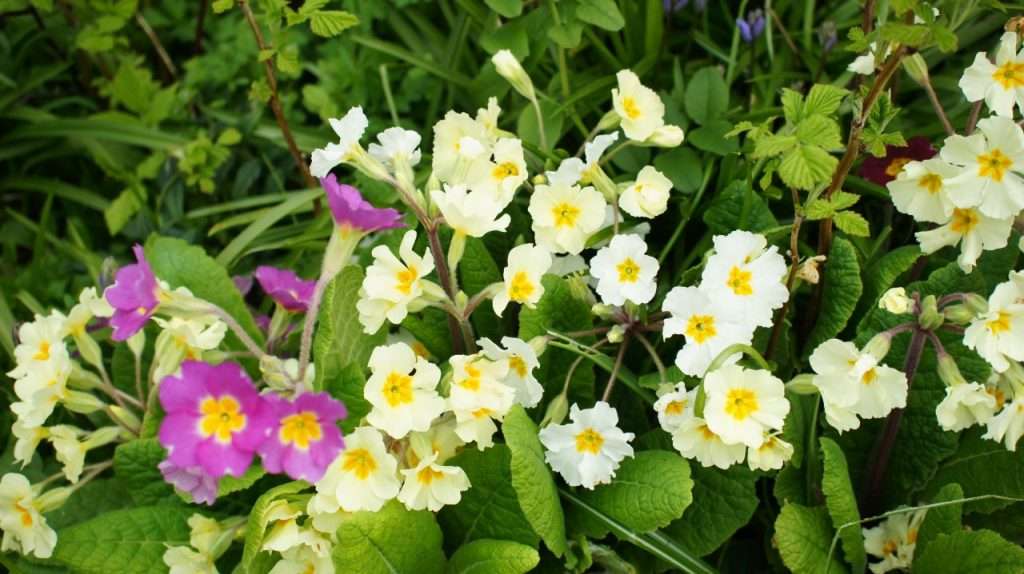
Instead of purchasing a random combination of single plants, professionals use the techniques of repetition and mass planting to establish visual rhythm. The purchase of three to five different kinds of perennials in large quantities will make for a much neater design than a jumble of twelve various plant types.
Choose strong perennial plants that can spread easily and quickly by dividing their roots, including such species as:
- Various Hostas for shady areas.
- Feather Reed Grass or Blue Fescue as ornamental grass for textural effect.
- Echinacea and Rudbeckia for flowering throughout the season and attracting bees.
You will spend less money on purchasing bare-root plants or small 1-quart container plants. In just two to three years, these plants will grow sufficiently to be dug up and divided using a spade. You will multiply your planting area for free!
The Power of Dark Organic Mulch
No single material delivers a faster visual payoff per dollar than good mulch. Beyond holding moisture and suppressing weeds, a three-inch layer of dark bark gives green foliage and colorful blooms a rich backdrop that makes them stand out.
Mulch is a fabulous way of slowly feeding the soil and preventing weeds from getting established. There is a good reason municipal areas use it!
For the best colour, choose triple-shredded hardwood or dark brown hemlock rather than dyed red wood chips, which tend to fade into unnatural shades as they break down. To keep costs low, call local tree trimming services and ask about free or low-cost wood chip deliveries.
Whichever you use, spread it evenly and pull it back a few inches from trunks and stems so it does not trap moisture against the bark. The Mississippi State University Extension guide to mulches for the landscape compares materials and recommended depths if you want to fine-tune the amount.
Upgrading the Perimeter and Living Spaces
The setting determines how the focal point is perceived when appraising a garden. An amazing flower bed viewed against the backdrop of a decayed fence or a vacant patch of dead grass will not stand out.
Restoring Boundaries and Lighting
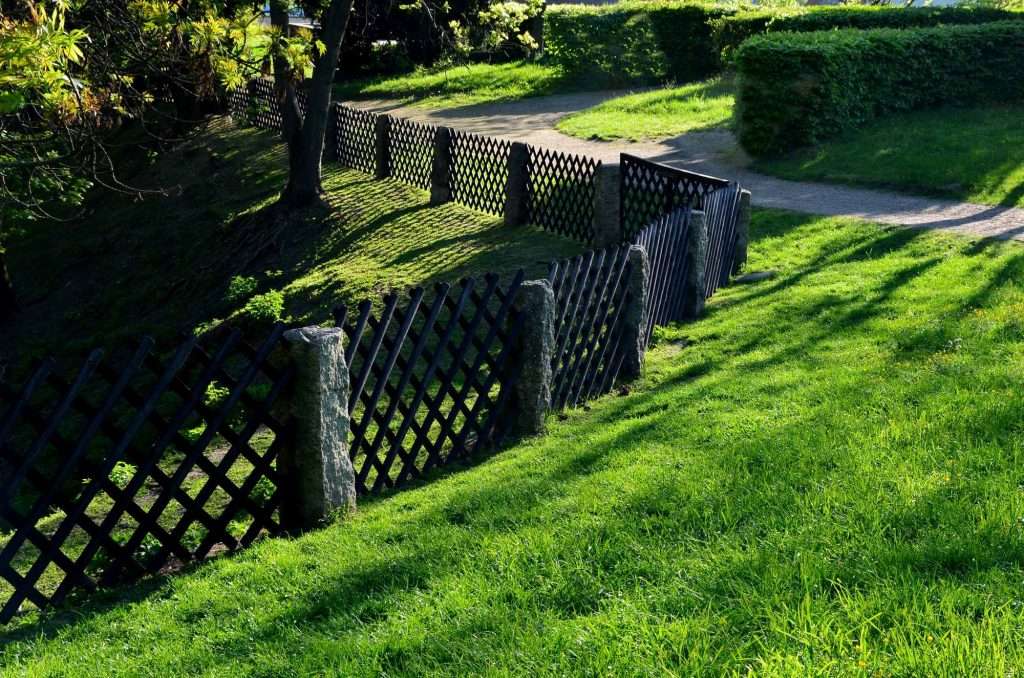
Prior to any investment in new plants, it is necessary to take care of the boundaries. An old wooden fence can be totally revamped by painting it black or deep charcoal using an exterior wood stain such as Behr Premium Solid Color Waterproofing Stain. Black backgrounds tend to absorb light; thus, the garden boundaries will appear further away, creating an illusion of spaciousness. Personally I often go for a dark brown which also recedes and makes the plants stand out.
Having set the boundaries, layering with lights comes next:
- Up-lighting: Low-voltage LED spotlights can be placed on the base of the mature trees or architectural plants, throwing shadows upwards.
- Path lighting: Low-voltage landscape lights with warm tones (2700K) can be applied to the main pathways.
- Solar Accents: Glass-lensed solar fixtures with metal housings can be used.
Balancing DIY Upgrades with Professional Hardscaping
It is vital to know how much to DIY and where to seek professional assistance. Activities such as painting fences, mulching, construction of raised timber beds, and planting perennials should be done through DIY on weekends if you can since it can save thousands of dollars in labour charges.
However, complex structural projects require professional intervention to avoid costly mistakes. If your long-term outdoor vision includes structural retaining walls, complex drainage systems, or high-end aquatic features, hiring a custom swimming pool contractor or licensed hardscape specialist ensures that structural footings, electrical connections, and grading comply with local building codes. Attempting to DIY high-risk structural projects often results in regulatory fines or premature failure, costing far more to remediate down the road. Know your limits!
Maintaining Long-Term Value
Any economical garden makeover is only successful if it continues to be inexpensive to sustain for long periods of time. The use of native plants makes your garden less dependent on costly fertilizer and soil treatments, as well as watering.
With an emphasis on crisp hardscape lines, vertical elements, bare-root perennial plants, and new colours in boundary areas, you will have a high-class garden design that will help make your house look better without any financial damage at all. For additional tips on affordable home renovation projects, explore this guide on Seasonal Home Refresh Ideas That Won’t Break the Bank.