How To Start a Flower Garden? 7 Things to Keep in Mind
As an Amazon Associate I earn from qualifying purchases
A flower garden provides you with a beautiful outdoor space where you can spend quality time with your family and loved ones. It’s filled with colorful blooms, adding a fragrant layer to your outdoor space. If fragrance is really important to you check out this article all about fragrance gardens.
Flower gardens can also serve several other purposes, such as warding off pests, attracting pollinators, and providing shade and a safe place for sensitive plants. In this article, we’ll discuss 7 things to help you understand how to start a flower garden.
1. Set Your Budget
If you’re interested in gardening, you’d already know that it can be an expensive hobby. That’s why it’s important to set your budget so that you can create a flower garden without breaking the bank.
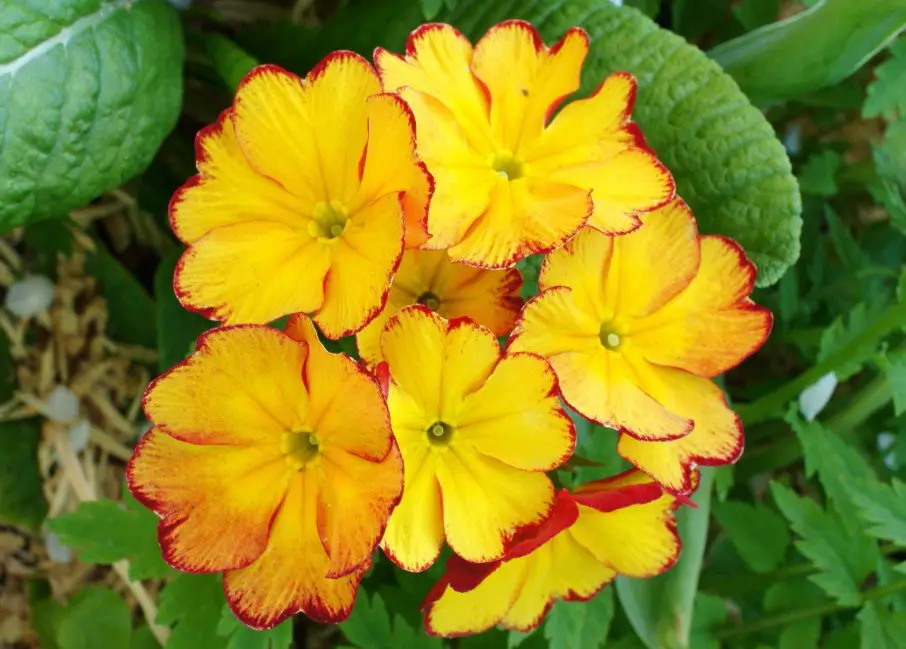
Consider either sowing your own seeds (indoors or outdoors) or buying small plug plants and growing them on. Another great option is to ask your gardening friends for donations. They may have spare plants that they have grown from seed or perhaps they are dividing plants such as primulas.
After that, you’ll need to make sure that you cover everything you need to get started within your defined budget. Don’t think you have to have a completed flower garden immediately. A huge part of the joy is developing it every year.
2. Choose the Location and Design
Once you have defined your budget, the next step is to select the location for your flower garden in your outdoor area. Remember you can always use pots too. This can be a great way of bringing plants in close to where you sit or walk in and out of your front door.
Unless you’re planning to grow only desert and heat-tolerant plants, you’ll need to choose a location for your flower bed that receives at least partial sun during the day, a balance of sun and shade. However, it still depends on the type of flowers you’ll plant in your garden.
The sunlight will allow your garden beds to receive the energy they need to carry out photosynthesis and keep the plants healthy.
It’s also important to choose a location for your flower garden that you can enjoy every day. Take as much time as you need to assess the site and choose the location wisely.
After choosing the location, you’ll need to select the flower garden design that suits the location and your style the best. If you have enough room, you can add ornamental grasses, small trees, and even a pond to your flower garden if you want. Pinterest is a great source of inspiration.
3. Check the Garden Soil
Now, you’ll need to perform a soil test to check its pH level in order to determine how much alkaline and acid the soil has. It’s an important step as it’ll help you choose the flower plants that can thrive in your garden soil easily.
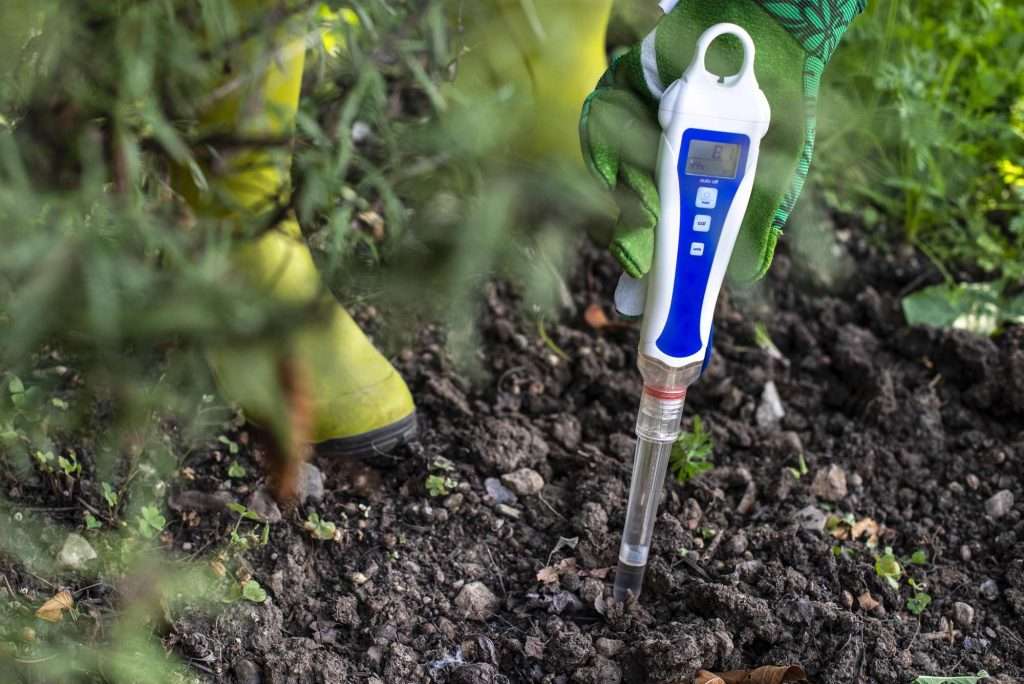
Credit: Photo by depositphotos.com
If you already have the flower species in mind that you want to plant, you’ll need to determine the type of soil they need to grow. Then, if you want to, you can use fertilizer to change the pH level of the soil accordingly. Or plant certain plants in pots where you can control the pH. That is what I do to grow my azaleas.
4. Check the Hardiness Zone
The climate of your area will also play a big role in determining the type of flowers you’ll need to use. Determining the hardiness of your region will make it easy for you to choose the correct plant species.
Additionally, it’ll inform you about the frost dates to choose the right planting schedule and growing season. This varies so much you will have to do your own research here.
5. Choose Plants
Once you have the location and design for your flower beds, along with the soil and hardiness zone information, you can start the process of buying flowers. Make sure that you choose plants that will grow best in the environmental conditions of your garden.
You can also select some perennial flowers to reduce the amount of work required to maintain your flower gardens. The more annual flowers you have in your garden the more maintenance work you’ll need to perform, as you’ll need to replant them yearly. Or perhaps they will come back every year like Forget-me-knots.
Flowering shrubs are another way of introducing flowers with less maintenance. I love Philadelphus, Forsythia and Bridal Wreath Spirea in my garden.
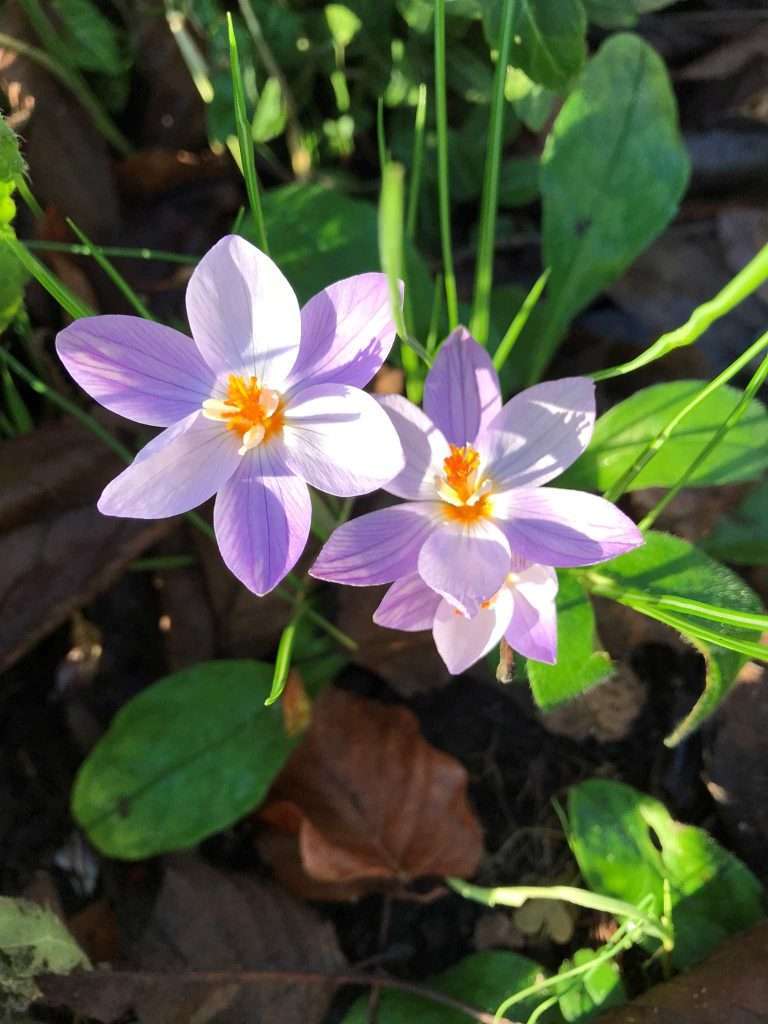
Also remember bulbs as an option as again, they will come back year after year and may even multiply. You can get spring and summer flowering bulbs so they can provide along flowering season. I have daffodils, tulips, crocus and iris.
Important Note: There are some flowers, such as salvia, nasturtiums, and geraniums, that come in both annual and perennial forms.
6. Plant Flowers
After buying the flowers, you can start the planting process if the last frost is already over. However, you’ll need to wait if the last frost is yet to come. It’s the last time a region has a freezing temperature during the spring.
You should not plant flowers in your garden before the last frost as it’ll increase the risk of losing them. You can contact a local gardening store to find out about the last frost if you’re not sure whether or not it’s over.
Credit: Photo by depositphotos.com
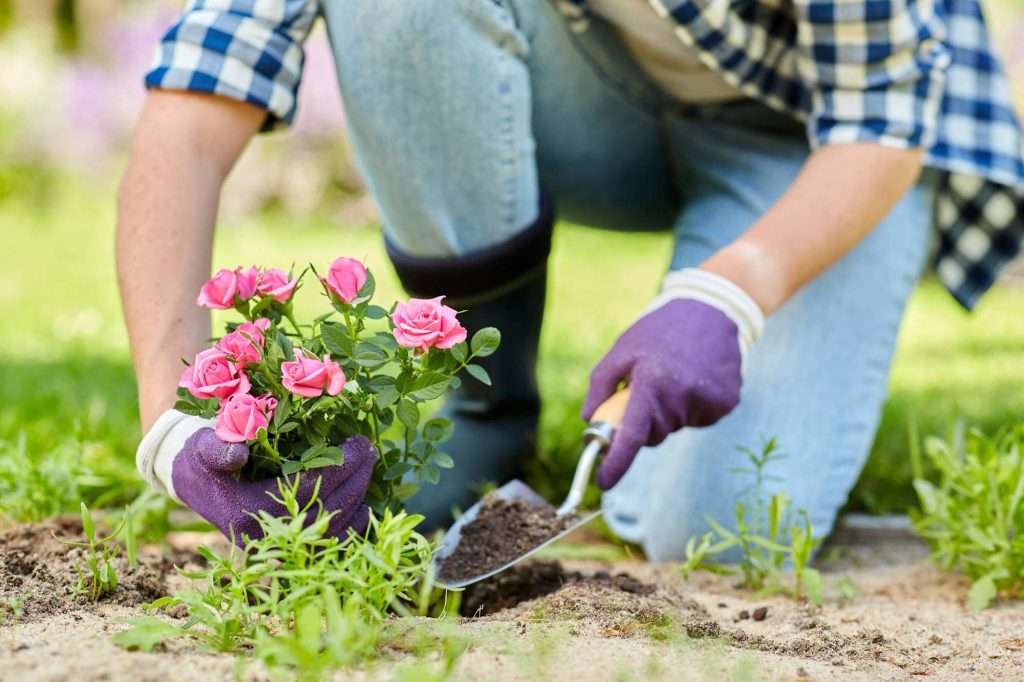
Once you’re ready to plant the flowers, dig holes in the selected area. Make sure that you follow the direction for each flower species carefully to determine how deep they should be planted.
The instruction will also inform you about the distance each plant needs from the surrounding ones. You do not want to overcrowd them. It’ll help you dig the hole for each plant correctly.
Remove the plants from their containers and place them in those holes. Fill around the plants using the soil you took out and water them in thoroughly.
The space that a plant needs around it generally depends on its size when it’s mature. Most perennial plants get bigger and need more spacing.
While it depends on the garden bed design you’re following, taller plants are generally positioned first, followed by smaller ones. Traditionally taller plants go at the back but many modern planting schemes no longer follow that rule.
Important Note: If you’re planning to use flower seeds, make sure that you start early in the season, about two to four weeks before the last frost. You’ll probably need to grow them indoors using seed containers and transfer them to the garden after the last frost.
7. Follow Watering Schedule
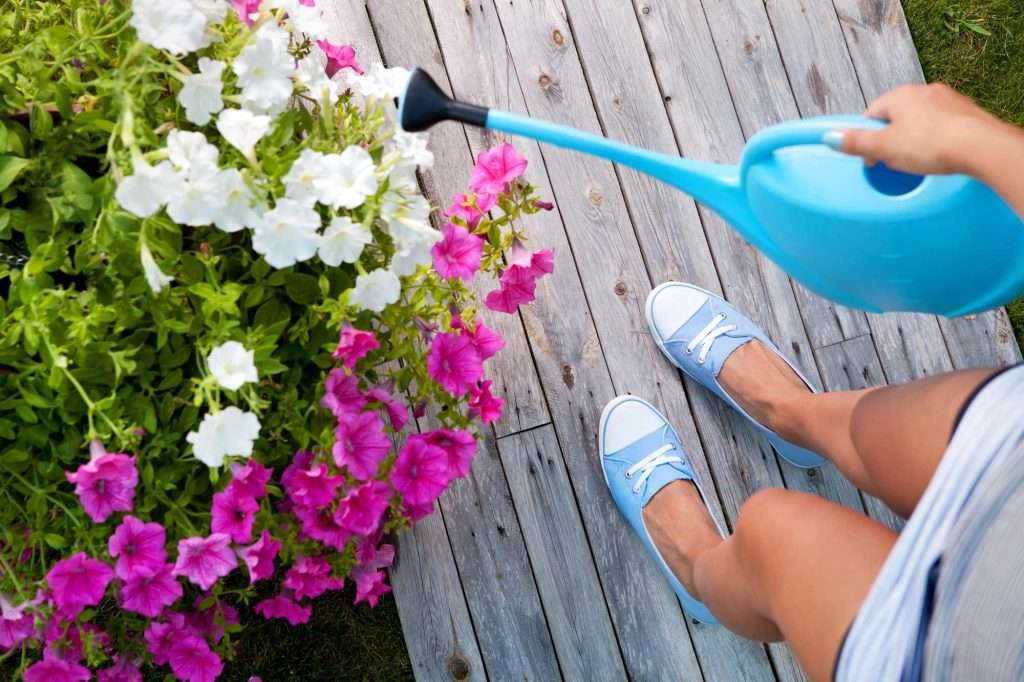
A consistent watering schedule is critically important if you want thriving, blooming, and healthy plants. The watering frequency can be different for each plant. Some plants need water only when their soil is dry, while others need to be watered every week.
While plants are young keep a very close eye on them, especially in drought conditions.
Generally, there are a couple of tale-tell signs that will allow you to determine if your plants are underwatered. When a plant isn’t watered adequately, you’ll see that its leaves have started curling in on themselves. A healthy plant, which is watered adequately, always has stiff leaves. Another sign that tells you that your plants are underwatered is the dryness of the soil. You can stick one of your fingers in the soil and if it feels dry, you need to water the plants.
Credit: Photo by depositphotos.com
Final Words
Adding a flower garden to your outdoor space is an excellent way to add more character and beauty to your property. Plus, who doesn’t feel better when they see gorgeous flowers (and smell them).
The most important thing to keep in mind while starting a flower garden is to choose the right type of plant based on the environmental conditions of your garden.
Remember that you can label your plants easily. How about using homemade labels made from junk like these ones?
I hope this guide will help you understand all the factors that you should consider to start a flower garden in your outdoor space.