A Beginner Guide to Upholstery Fabric and Filling
As an Amazon Associate I earn from qualifying purchases
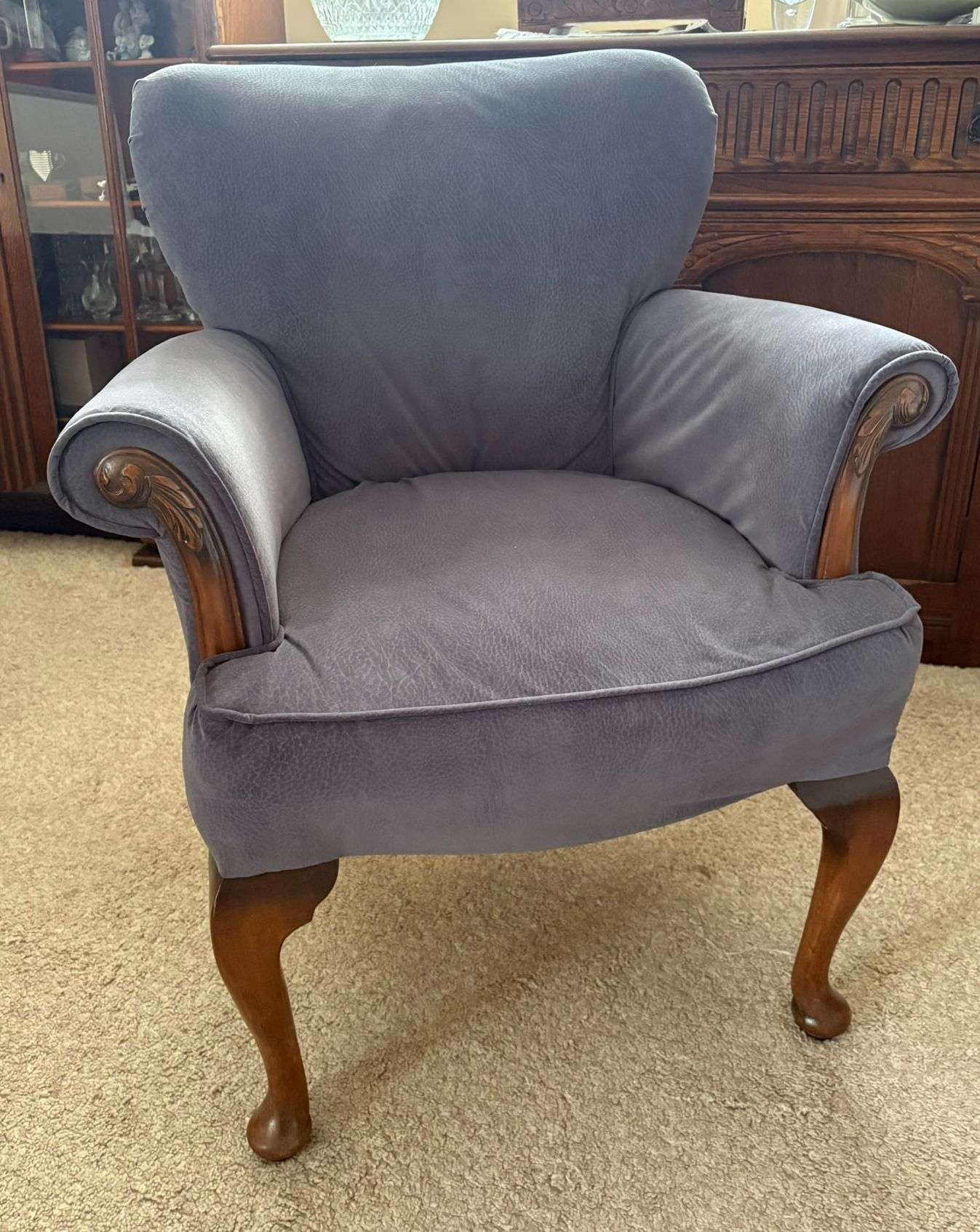
If your furniture is looking a bit too shabby don’t immediately replace it. Think about whether you can update it with new upholstery fabric and filling. But, where do you start? A successful upholstery project starts with materials that suit the furniture’s shape and everyday use. Fabric needs enough strength to cope with friction, while the filling must support the sitter without quickly losing its shape.
Accurate measurements bring those parts together and simple care helps the finished piece stay smart. Before buying anything, inspect the frame, save the old covers as templates if possible and write down each measurement. At this point you must decide if you can save the piece of furniture or not (before you spend any money).
Select the Right Fabric Weight
Once you have decided to proceed it is time to think about your fabric choice. Fabric weight gives you a useful starting point, but also consider the weave, fibre content and expected wear. Lightweight cotton works well for decorative chairs that see occasional use. Be careful with lightweight fabrics as they will not last and you may have put a lot of work into your project. A tightly woven medium or heavyweight fabric is usually better for dining seats, footstools and family sofas.
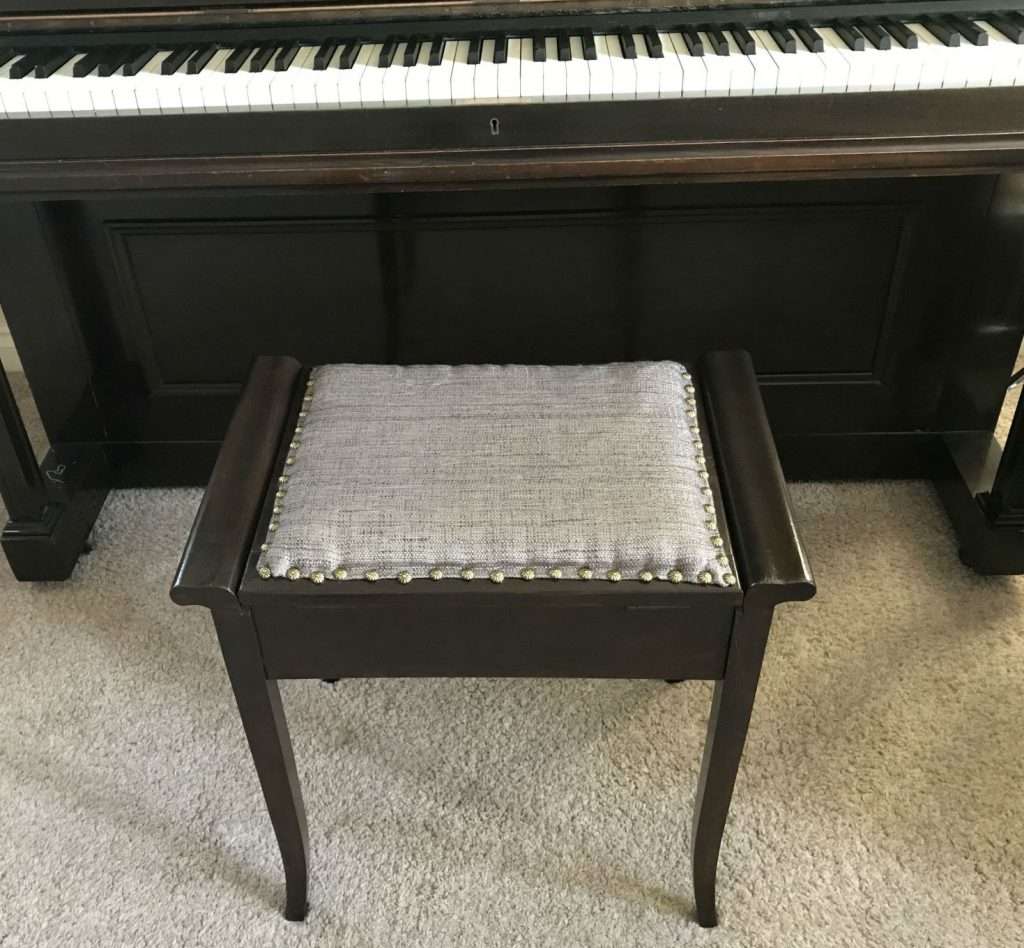
If you can check the stated fabric abrasion rating when shopping. This figure reflects how a material performs during repeated rubbing tests. Higher ratings generally suit frequently used furniture, though the exact testing method may vary. When planning a similar project, this DIY stool upholstery makeover offers a practical example of choosing fabric and padding to refresh an upholstered piece. It is also important to consider fire safety. Fabric suppliers should be able to advise you on this.
Order a sample before committing to several yards. If you are shopping locally many suppliers will happily let you take a sample home for free or a minimal cost. Fold your sample around a corner, hold it against the room’s lighting and gently pull along the grain. A stable fabric should wrap neatly without becoming distorted.
Before ordering consider that patterned material will require extra yardage so stripes, checks or motifs line up across neighboring cushions. If this is a big job consider leaving it to the professionals but I would argue anyone can have a go at a stool or a chair.
Understand Foam Density and Firmness
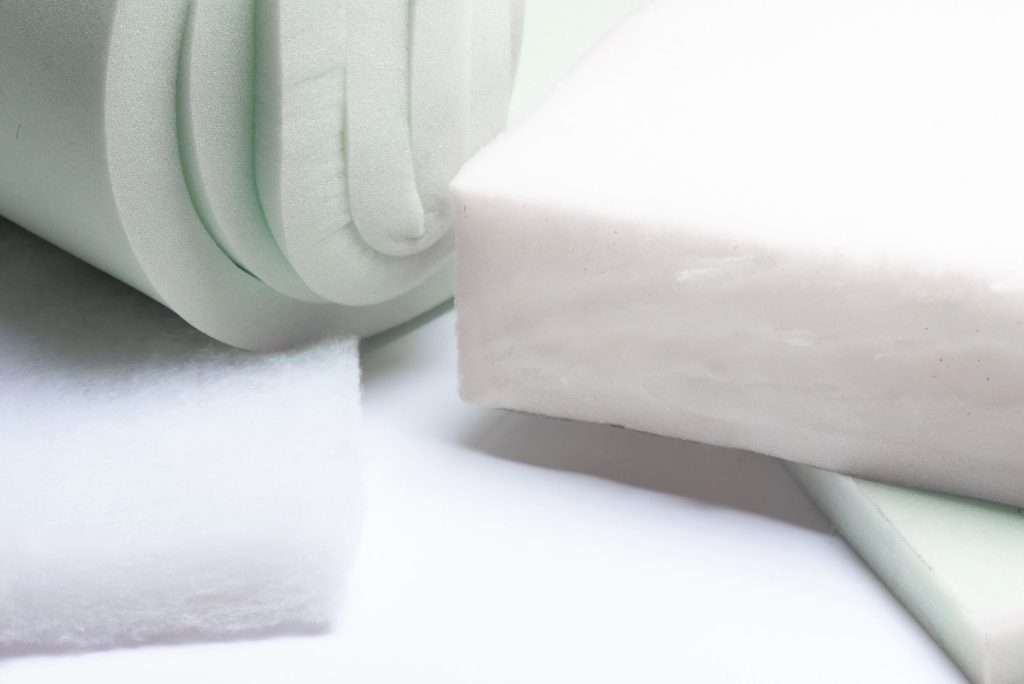
Density describes how much material is packed into the foam, while firmness describes how soft or resistant it feels under pressure. Two pieces can feel similar at first yet have different densities and useful lifespans. This guide to foam grades explains why selecting foam by colour or appearance alone can lead to disappointing results. It is also one of the main reasons why some furniture is more expensive when you purchase it.
For a seat cushion, measure the cover from seam to seam and check the original insert’s thickness. A replacement may need a slightly fuller cut to restore a crisp shape, especially if the old foam has collapsed. In my experience, I have had to trim foam a few times before I was happy with it. If cutting thick material accurately at home feels awkward, a sofa cushion refilling service can provide foam made to the required dimensions and shape.
Once again, fire safety is important here so check with your supplier that all foams you choose meet fire safety regulations in your country.
A top tip is to wrap the insert (usually foam) in polyester batting. This softens sharp edges, fills minor gaps and helps the cover slide into position.
Credit: Photo by depositphotos.com
Measure Seams Accurately for Sewing
When you are re-upholstering or re-covering furniture the old pieces of fabric are your friend. Use the removed covers as a pattern if they still hold their original shape. Take lots of photographs of your piece of furniture as you dismantle the covers. You can also make lots of notes – you will really thank yourself later! Unpick one seam at a time, label every panel and mark the front, back and grain direction with tailor’s chalk. Photograph details such as zip placement and piping before separating the pieces.
Measure the stitching line, not only the raw fabric edge. Then add a consistent seam allowance to every panel, commonly 1/2 inch or 5/8 inch depending on your preferred sewing method. Inconsistent allowances can leave a box cushion twisted or too tight even when the main dimensions appear correct.
For a new cover made without an old template, measure the cushion’s width, depth and thickness in several places. Foam can vary slightly after years of use. A top tip is to make a test cover from inexpensive cotton if the project includes curved corners, boxed sides or a fitted back. This can save you a lot of expense if you struggle to get it just right.
Maintain Fabric Against Daily Wear
Keep a small envelope containing a fabric offcut, care details and final measurements once the project is finished. Those notes will make future repairs easier and give you an exact reference if one panel or cushion needs replacing
Once you have finished your project you want it to last so some basic tasks can really help if done regularly. Vacuum upholstered surfaces regularly with a soft brush attachment. Dust and grit settle between fibers, where repeated pressure can gradually dull the finish. Remove loose cushions first so you can clean the deck and seams underneath. It is always a surprise just how much lurks under the loose cushions, especially if you have children!
Blot spills promptly using a clean white cloth. Avoid rubbing, since this can spread the mark and disturb the fabric’s texture. Check the manufacturer’s cleaning code (which you kept in your envelope) before applying water, detergent or upholstery cleaner, then test any product on a hidden area.
Turn and rotate removable seat cushions every week or two. This distributes pressure more evenly and reduces the chance of one edge flattening first. Direct sunlight can also fade some dyes, so adjust blinds during the brightest hours or move small upholstered pieces away from the window. Snip any loose threads carefully instead of pulling them, which may open the weave.

Vacuum dirt from sofa
Credit: Photo by depositphotos.com
In Summary
Re-covering furniture is very much an achievable task for many people. If your furniture is too far gone you may need experts or to attend a course. However, the filling and fabric on furniture can be replaced with a bit of care and planning.
I hope this guide has given you come confidence about tackling your item of furniture now you know a little more about upholstery fabric and filling.
If you like DIY projects for your home then check out all the ones on this website here.